






World Heritage, Renaissance and Baroque music, local communities
About Chiquitania
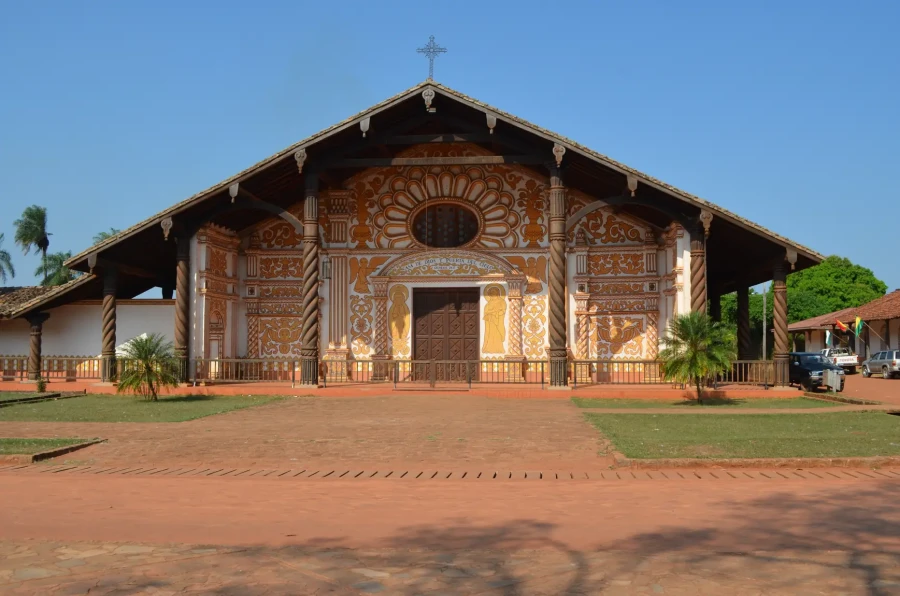
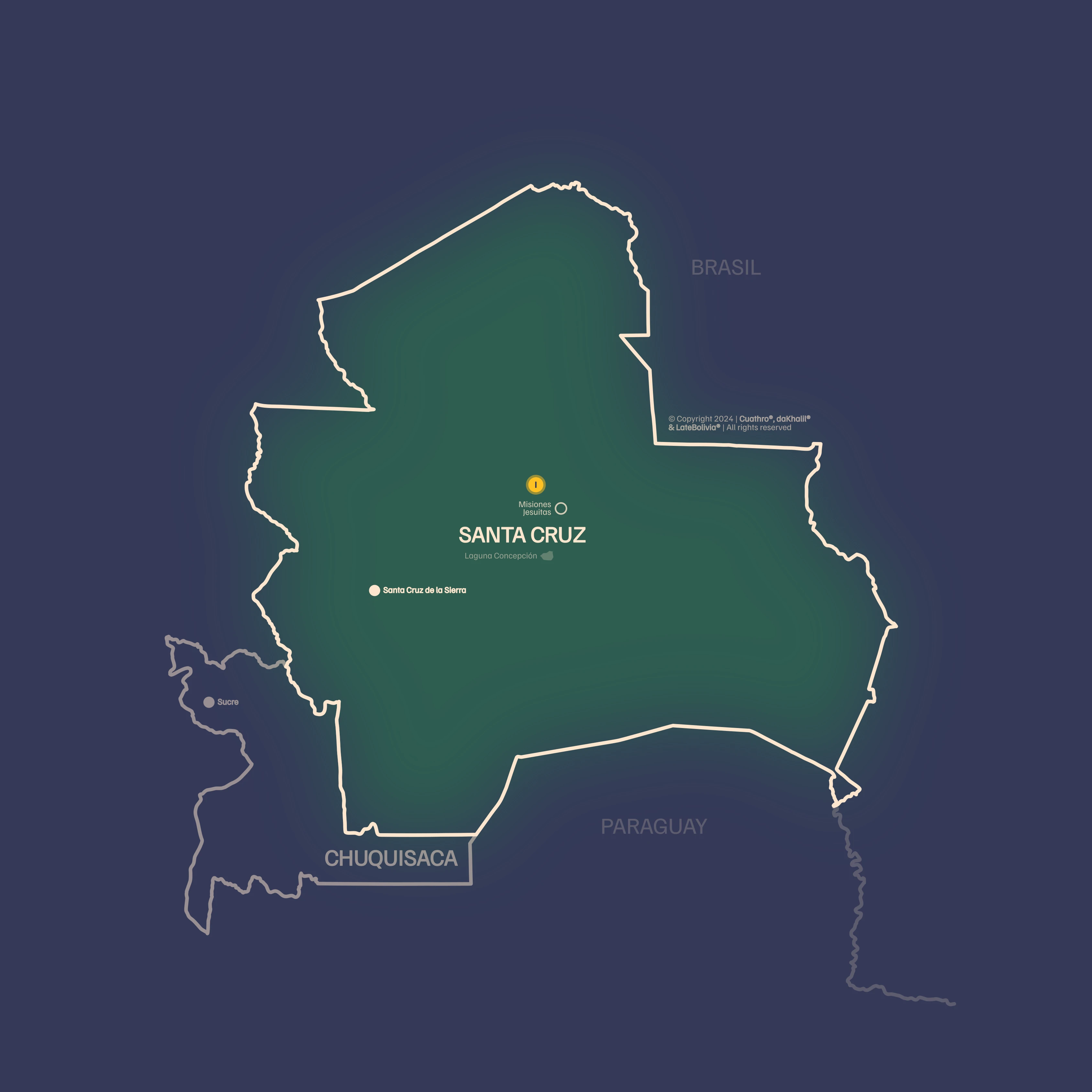
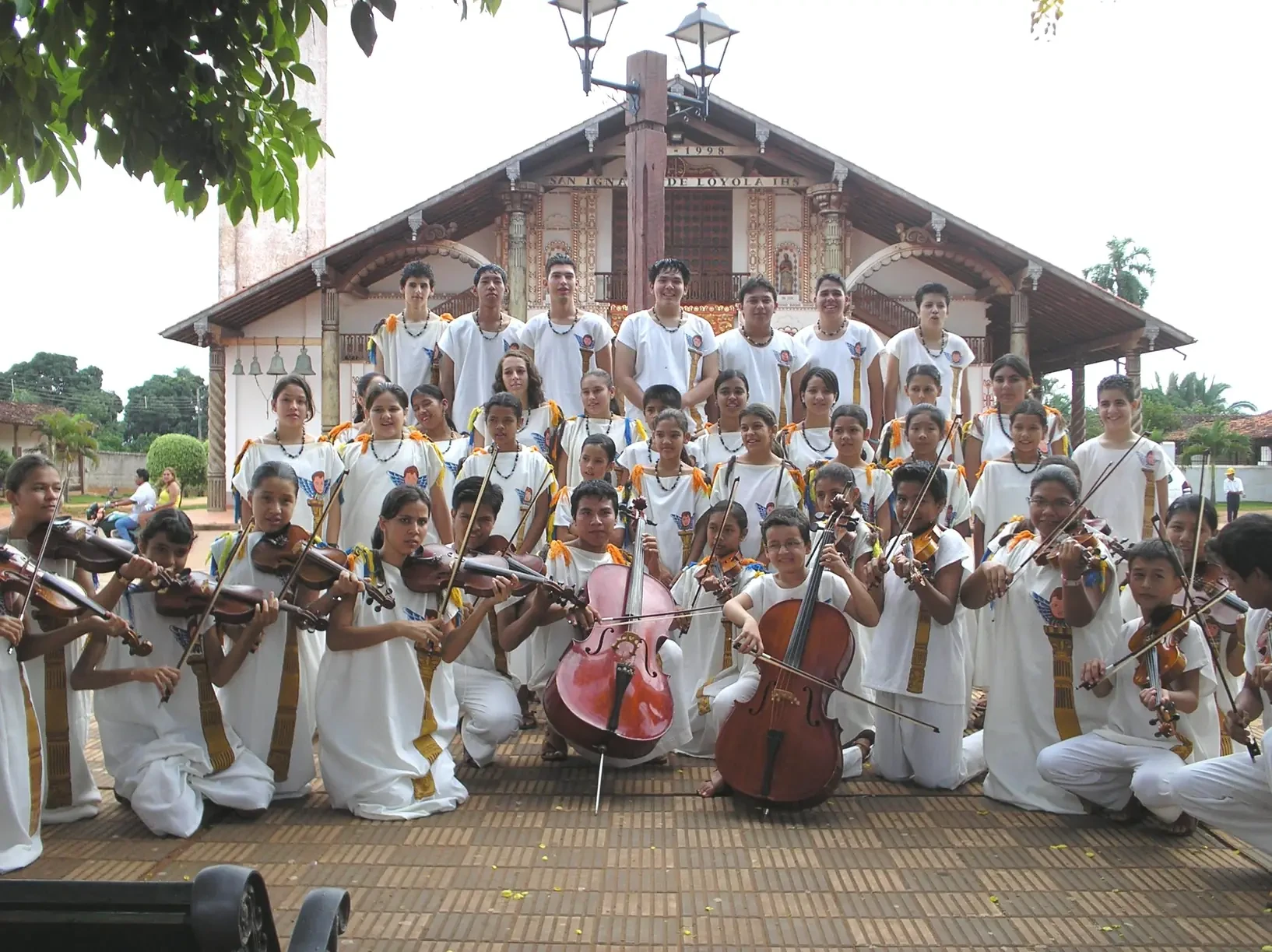
The Jesuit Missions of Chiquitania, located in the eastern lowlands of the Santa Cruz department (about a 5‑6 hour drive from the capital), were founded between 1691 and 1692 with the goal of evangelizing the indigenous Chiquitano and Moxeno peoples. During the 18th century the mission network grew to include seven settlements that today are part of UNESCO’s World Cultural Heritage: San Francisco Javier, Concepción, Santa Ana, San Miguel, San Rafael, San José de Chiquitos and San Ignacio de Velasco. Each mission blends European Baroque architecture with local techniques and motifs, creating a unique mestizo style reflected in their carved‑wood churches, gilded retables, and central plazas; the Renaissance and Baroque music introduced by the friars remains alive in the International Festival of American Renaissance and Baroque Music held biennially. After the expulsion of the Jesuits in 1768, the towns remained inhabited and today retain artisan workshops, pottery and textiles that keep the missionary‑started traditions alive. These reductions not only represent a key chapter of Bolivian colonial history, but also a major tourist attraction, accessible from Santa Cruz via land routes and regular transport services.
Itinerary
Day 1
Santa Cruz de la Sierra ➔ San Javier ➔ San Ignacio
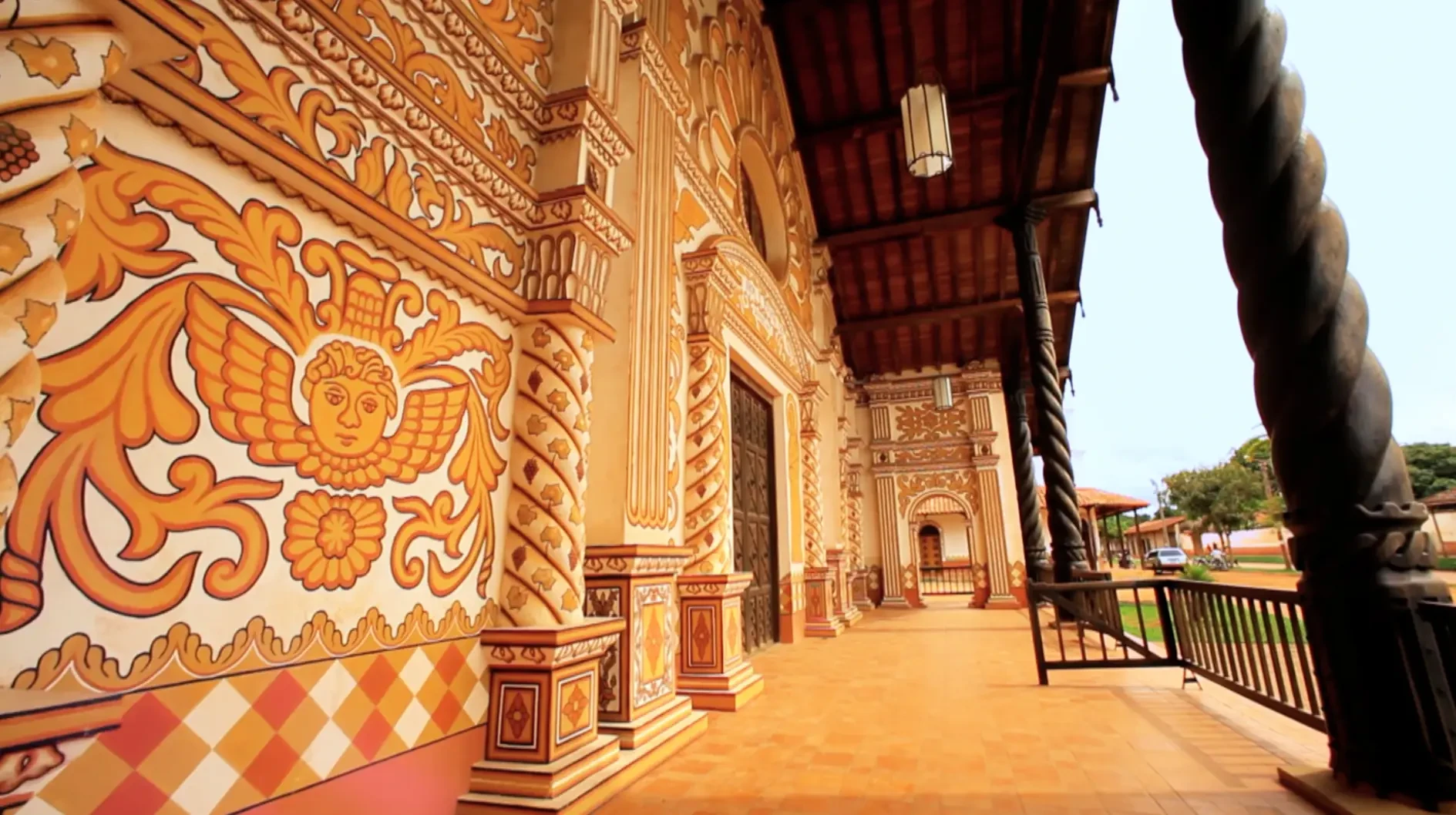
The Jesuit Missions of the Chiquitos have endured for more than three centuries, inspiring admiration for the architecture of their mestizo Baroque‑style temples, which feature paintings, murals, splendid golden altars, colossal wooden columns, and a variety of beautiful carvings that adorn the retables, pulpits, and choir stalls. The churches emulate European constructions thanks to the influence of the mission architect, Jesuit Martín Schmid, who, working together with indigenous people, built these impressive churches, where the technique learned by the natives becomes art enriched with their own visions.
- Departure at 07:30 heading for the Jesuit Missions of San Xavier – Concepción.
- Along the way we will pass through several towns in the eastern lowlands such as Puerto Paila, Pailón (the first gateway to the Jesuit missions), San Ramón, and San Xavier where we will conduct our first mission tour. San Javier was the first mission founded by the Jesuits on 31 December 1691; it later hosted one of the music schools and workshops for instrument making of the era. Its vocation is agricultural, livestock‑raising, and tourism; it serves as the entrance gate to the Jesuit Missions circuit. Its urban setting creates an ideal environment that highlights the majesty of the mission complex. On the feast of “Saint Peter and Saint Paul” the impressive Yaritus ritual is celebrated, declared Departmental Intangible Cultural Heritage.
- We will pass Las Piedras del Paquio, where we will observe a buffalo breeding farm, and then continue our journey to San Ignacio, arriving at 20:00.
Day 2
San Ignacio ➔ San Miguel ➔ San Rafael ➔ San Ignacio ➔ Concepción
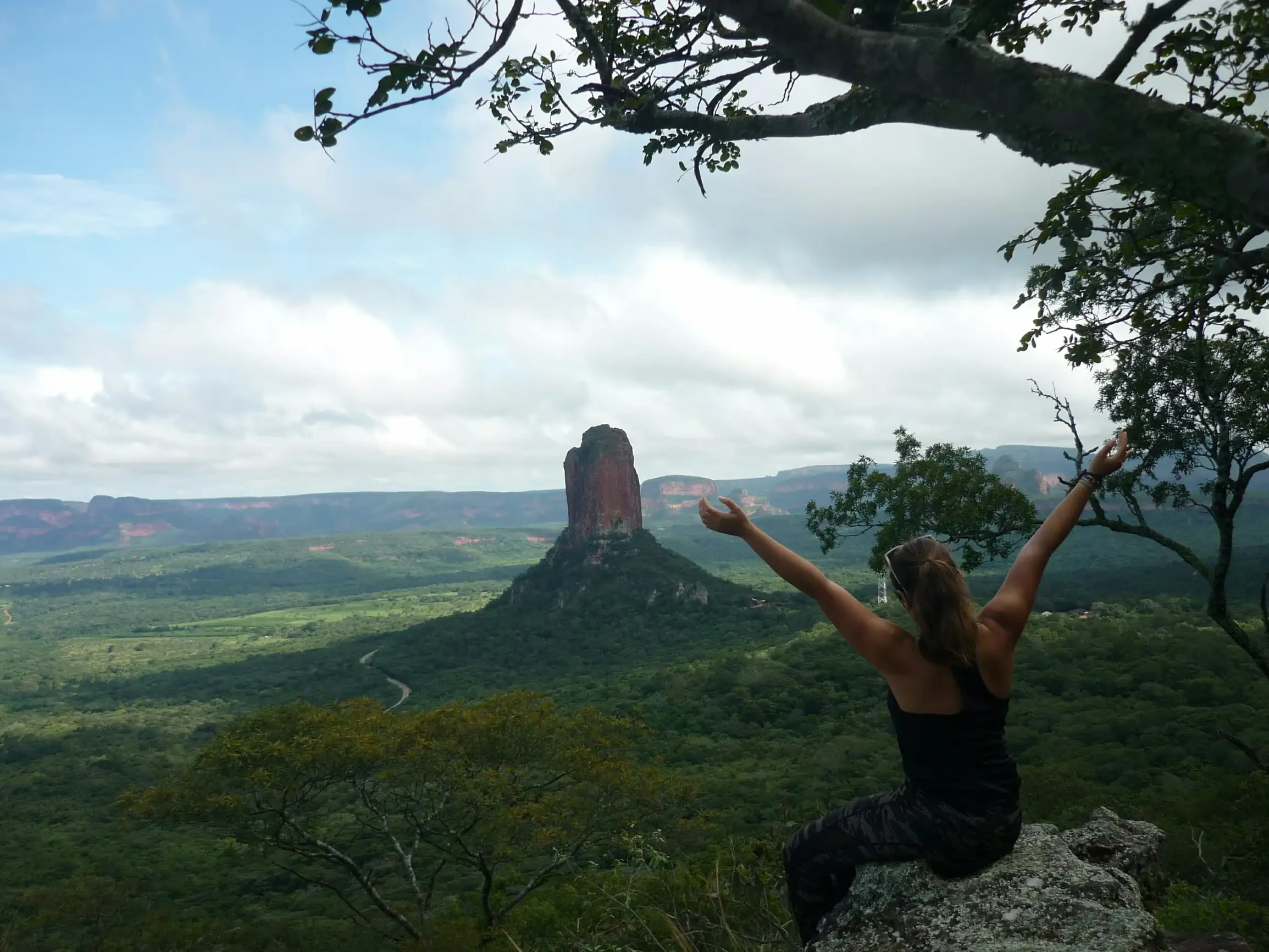
- We start a very intense day with our transfer to the missions of San Miguel, San Rafael and a tour of the Chiquitos Missionary Temples, surrounded by abundant wildlife and the vegetation of this paradisiacal region.
- In the afternoon we will do the Missionary tour in the town of San Ignacio de Velasco, founded in 1748; it is the largest municipality in the Chiquitania, keeping customs and traditions alive both in the town and its surrounding communities. One of its main attractions is its artisanal workshops and the Guapomó Dam.
- Finally we will travel to the town of Concepción, a 4‑hour journey.
Day 3
Concepción ➔ Santa Cruz de la Sierra
- After breakfast we begin our visit to Concepción, which in the past was one of the most important Jesuit missions. The Concepción missionary complex is called “the missionary jewel,” surrounded by lush nature. Concepción is a benchmark for biodiversity and was declared an “Orchid Sanctuary” because of the great variety of this flower in its natural habitat. The famous “Concepción Orchid Festival” is held annually in October.
- We will visit the Anthropological Museum, the Missionary Church, its craft centers, and finally the Zapoco Dam.
- In the afternoon we return to Santa Cruz.
Important notes
Availability:
✓ Tours are available every day of the week.
➔ Access to the various tourist attractions may be limited during the rainy season (starting in December and ending in March), and the roads that lead to the whole Chiquitania may also be affected.
Requirements:
✓ To pass some road checks, you may be asked to present identification, such as your passport.
Important data:
✓ The towns are 5‑6 hours by car from Santa Cruz de la Sierra, with daily bus services that leave the city and reach each mission.
➔ The area is in the tropical lowland; temperatures range between 20 °C and 30 °C during the day and can drop to 10 °C‑12 °C at night, especially in the winter months (June‑August).
Health data:
✓ Make sure you are in good health and have enough stamina to participate without difficulty.
Includes
Not Included
Tripadvisor


Request a quote
Jesuit Missions Tours
3 days and 2 nights