





World Heritage, colonial cities and dinosaur footprints
About Sucre
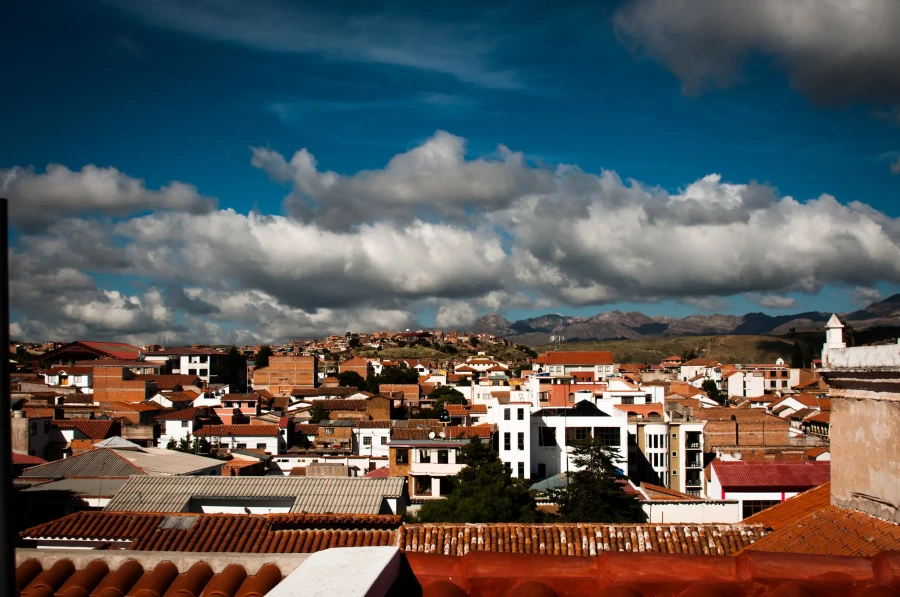
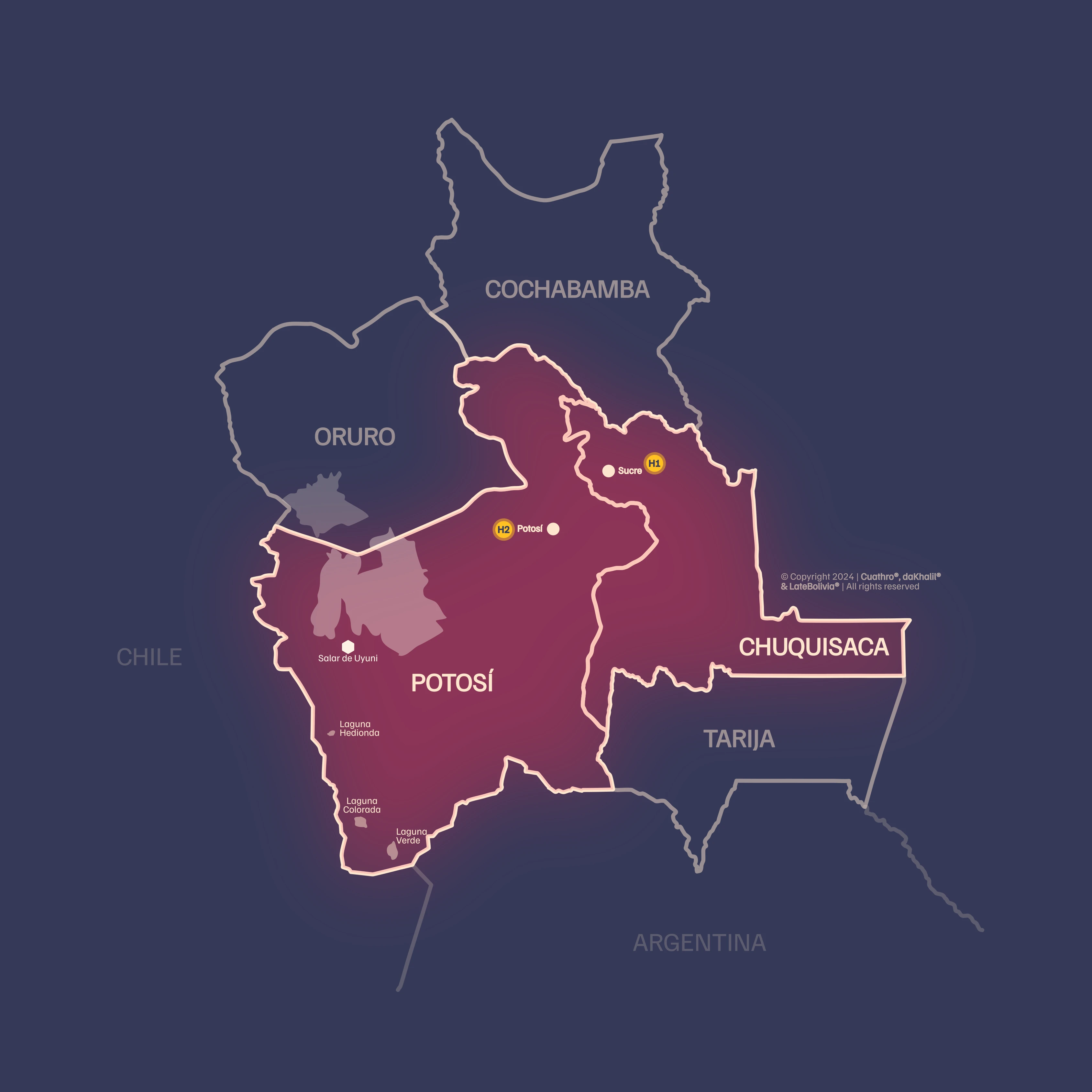
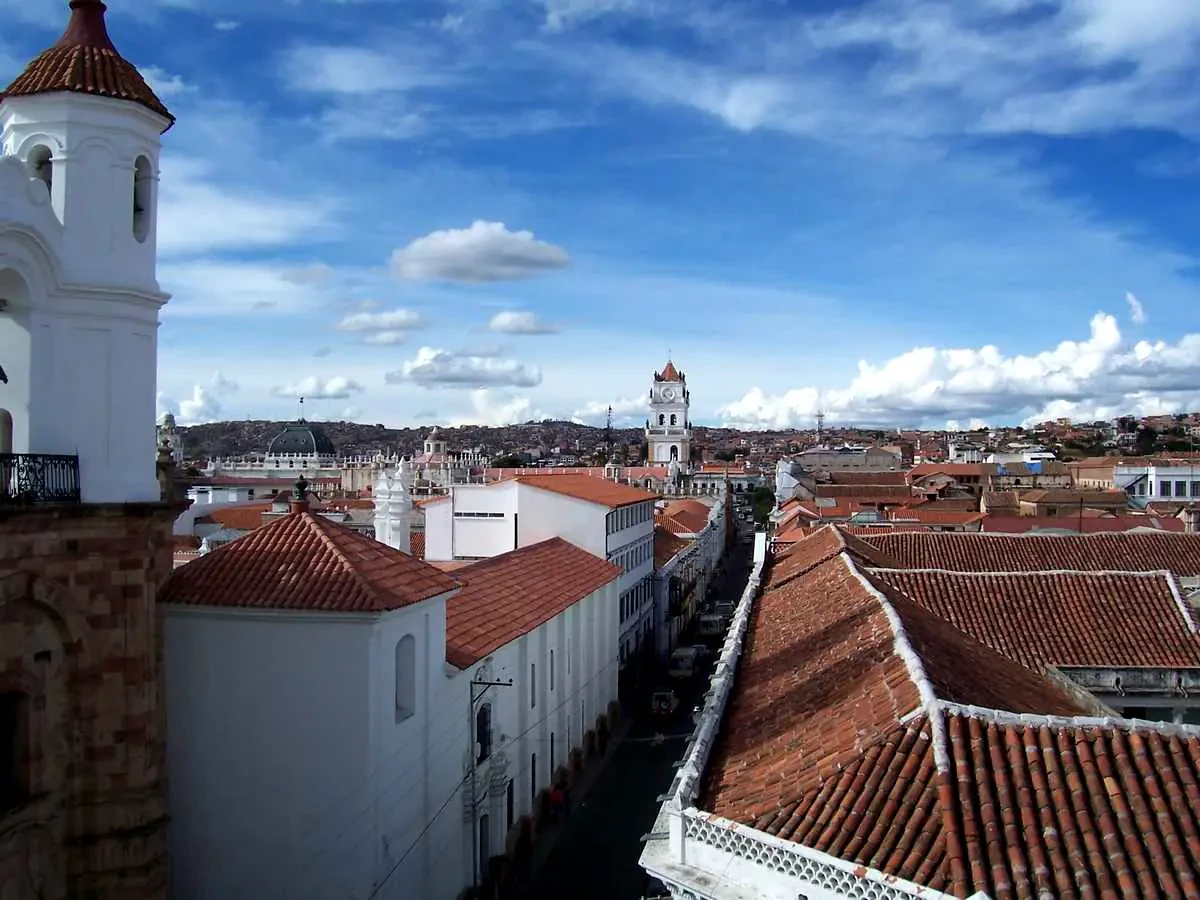
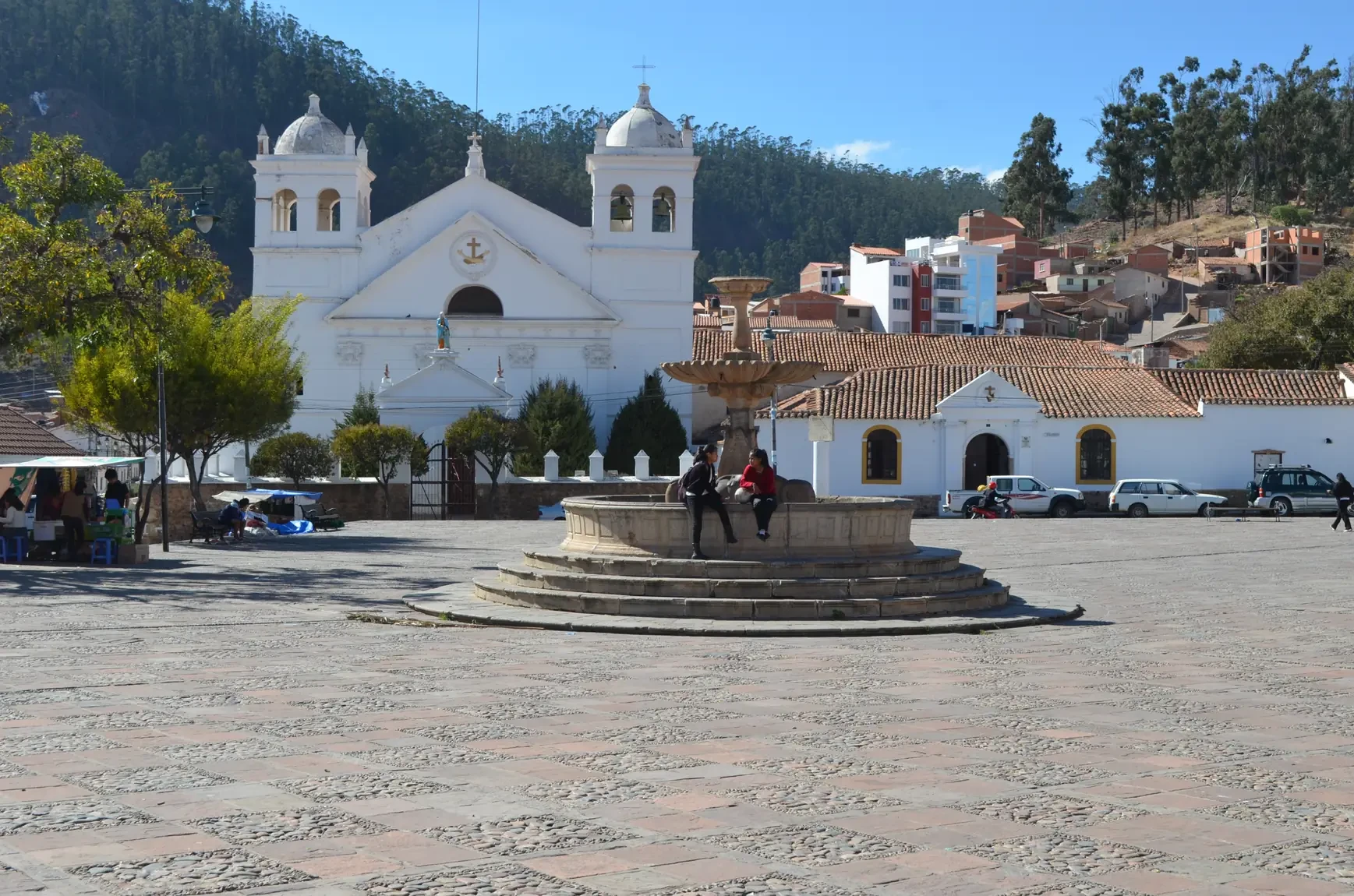
Sucre, the constitutional capital of Bolivia and seat of the Supreme Court, is located in the south‑central part of the country at about 2 790 m above sea level, at the foot of the Sica Sica and Churuquella hills in the department of Chuquisaca. Founded in 1538 as “Ciudad de la Plata de la Nueva Toledo,” it preserves one of the best‑preserved colonial historic centers in Latin America, with plazas, Baroque churches and white houses that earned it the nickname “White City”; for this reason it was declared a UNESCO World Heritage Site. In addition to its important historical role—it was Bolivia’s first capital and a judicial, educational and governmental hub—Sucre stands out for its temperate climate, low crime rate and vibrant cultural life, making it an attractive destination for both residents and international visitors.
About Potosí
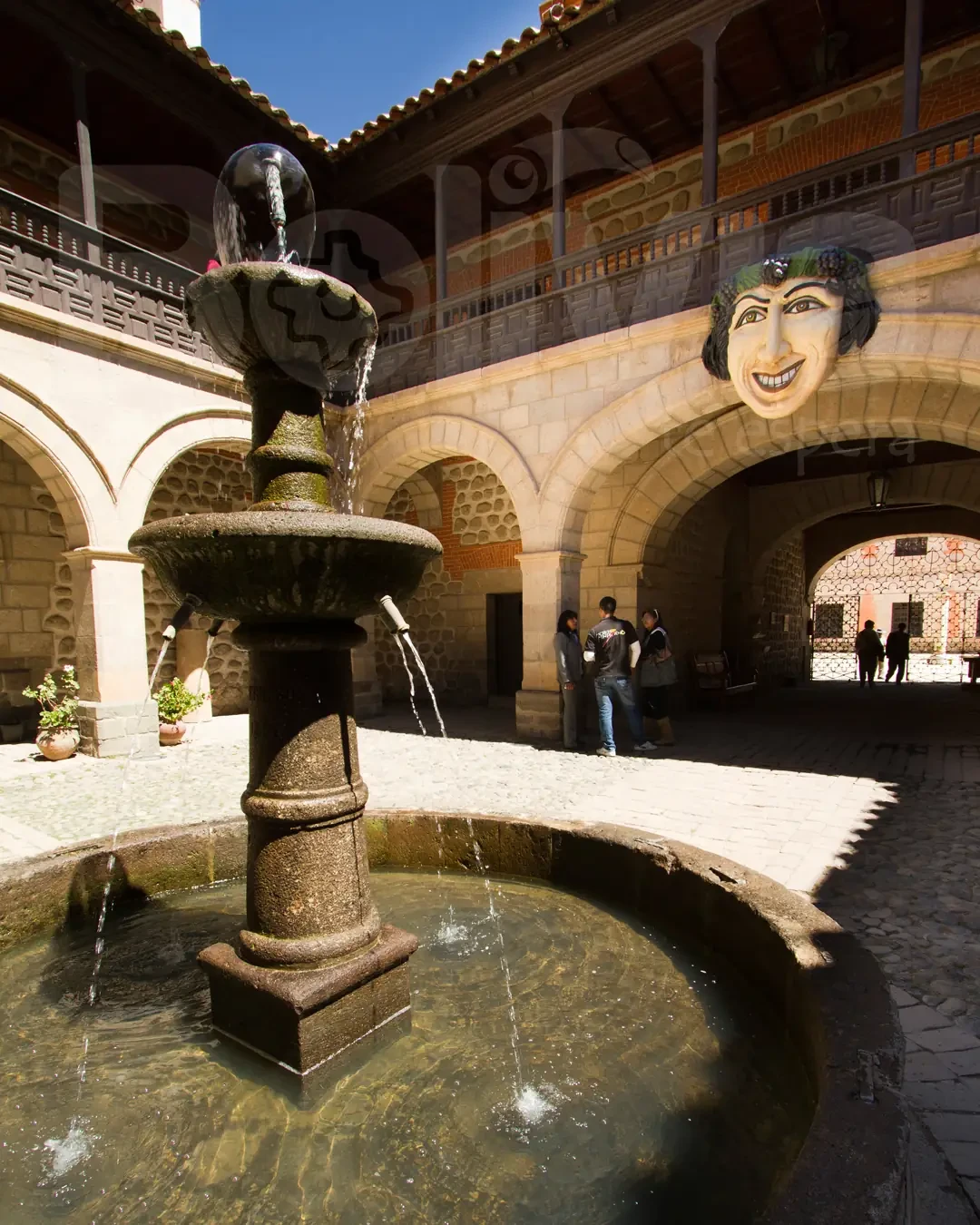
Potosí, historically known as the Imperial Villa of Potosí, is the capital of the homonymous department and of the Tomás Frías province, situated in southern Bolivia at approximately 4 067 m above sea level, which makes it one of the highest inhabited cities on the planet. Founded in 1545 after the discovery of the enormous silver vein of Cerro Rico, the city quickly became the economic engine of the Spanish Empire, becoming the world’s most populous city in the 17th century and supplying most of the silver that financed the Crown. Today, Potosí retains a rich colonial heritage: its Baroque churches, the Plaza Mayor and the historic complex of Cerro Rico were declared UNESCO World Heritage Sites in 1987, and the city remains an important cultural and tourist centre, also hosting football teams such as Real Potosí and Nacional Potosí that play at the Víctor Agustín Ugarte stadium, one of the highest stadiums in the world.
Itinerary
Day 1
Sucre ➔ Dinosaur footprints: Cal Orko ➔ Sucre
- In the morning we will visit the Cal Orko dinosaur footprints, one of the world’s most important paleontological sites located near Sucre.
- Return to the city for lunch.
- In the afternoon a city tour in Sucre, the constitutional capital of Bolivia, visiting the church, convent and Recoleta viewpoint.
- Afterwards we head to the Indigenous Art Museum (ASUR), which displays exhibits from two cultures: Tarabuco and Jalq’a.
- Finally we will visit the House of Freedom and stroll through the main plaza.
- Night in a hotel housed in a restored colonial house.
Day 2
Sucre ➔ Potosí ➔ Sucre
- At 06:00 we transfer to the city of Potosí, a 3‑hour journey.
- Upon arrival we will head to the Mining Market.
- Then we will enter a cooperative mine to learn about this work that dates back to pre‑colonial times. In the mine is the “Tío”, the lord of the depths, whom miners worship.
- We return to the city of Potosí for lunch.
- We will learn more about this city which, like Sucre, is a UNESCO World Cultural Heritage site.
- Tour of the city’s main tourist attractions, mining neighborhoods and colonial streets.
- We will visit the Mint House or the Santa Teresa Museum (optional).
- Return to Sucre.
Important notes
Availability:
✓ Tours are available every day of the week.
Requirements:
✓ To pass some road checkpoints, you may be asked to present identification, such as your passport.
Important data:
✓ Both cities are at high altitude. Potosí sits at an approximate elevation of 4 067 m a.s.l., and Sucre at about 2 790 m a.s.l.
Health information:
✓ Make sure you are in good health and have enough stamina to participate without difficulty.
Our recommendation:
Optional visits
➔ Tarabuco and Potolo
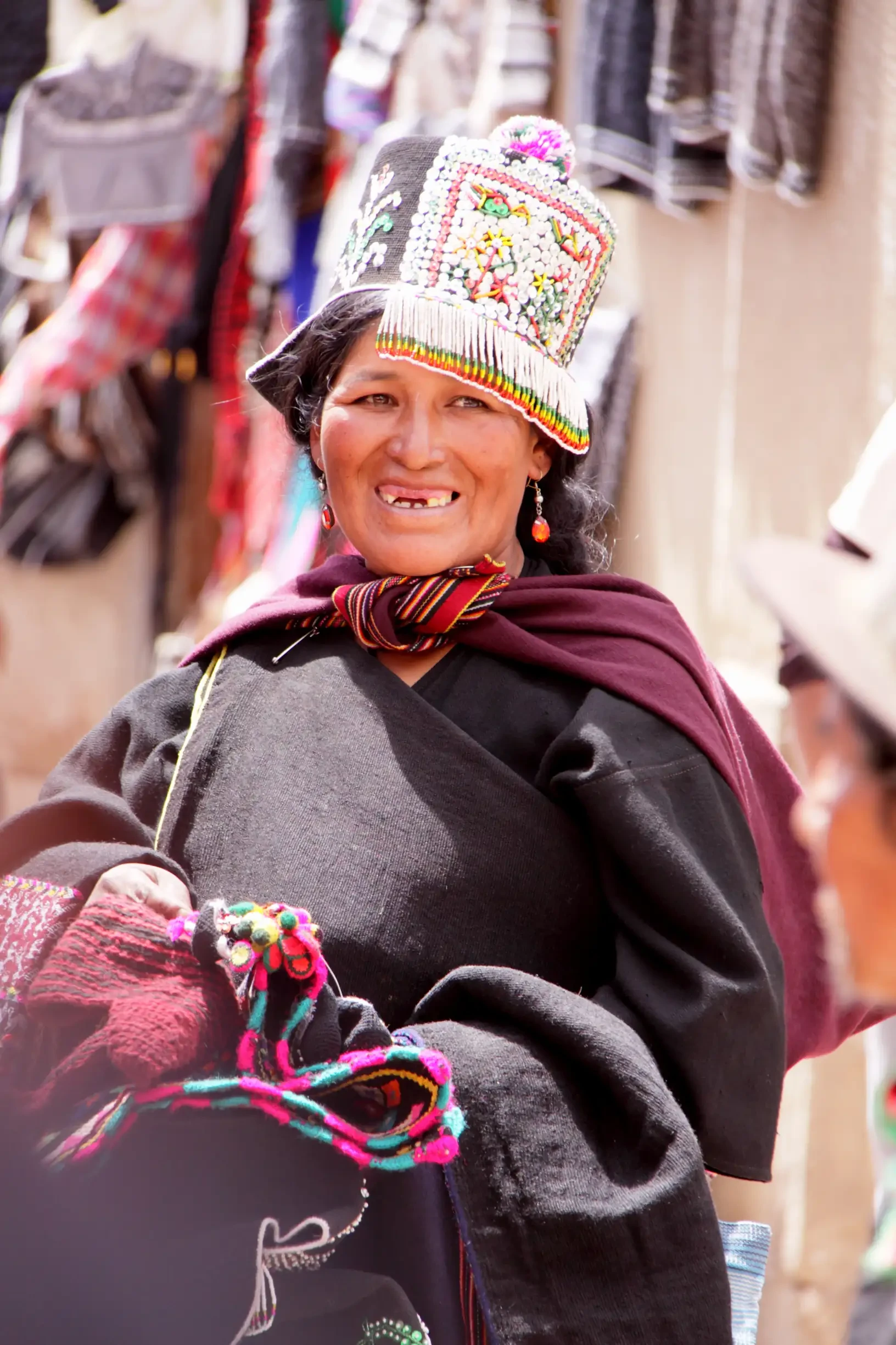
Tarabuco and Potolo are emblematic communities of the Chuquisaca region, recognized for the strong presence of the Yampara indigenous culture. Tarabuco is famous for its Sunday market, where traditional textiles, ancestral clothing and rituals that keep the local identity alive are appreciated. Potolo, smaller and more rural, allows direct contact with communities that preserve pre‑Hispanic textile techniques, community organization and ways of life tied to the land. Both destinations offer an authentic cultural and community‑based tourism experience.
➔ Maragua Crater
Maragua Crater combines impressive geological landscapes with indigenous communities that maintain ancestral traditions. The area contains important dinosaur footprints, testimony to the region’s prehistoric past. The itinerary lets you discover rural villages, agricultural terraces and natural viewpoints, integrating nature, history and living culture.
➔ Hacienda Cayara
Hacienda Cayara, located near Potosí, is an architectural gem from the colonial era. Formerly linked to the silver boom, it preserves elegant salons, historic gardens and an atmosphere that evokes the splendor of Bolivia’s colonial past.
Includes
Not Included
Tripadvisor


Request a quote
Tours in Sucre and Potosí
2 days and 1 night