





Travel Information of the Bolivian Lowlands
About the Eastern Lowlands
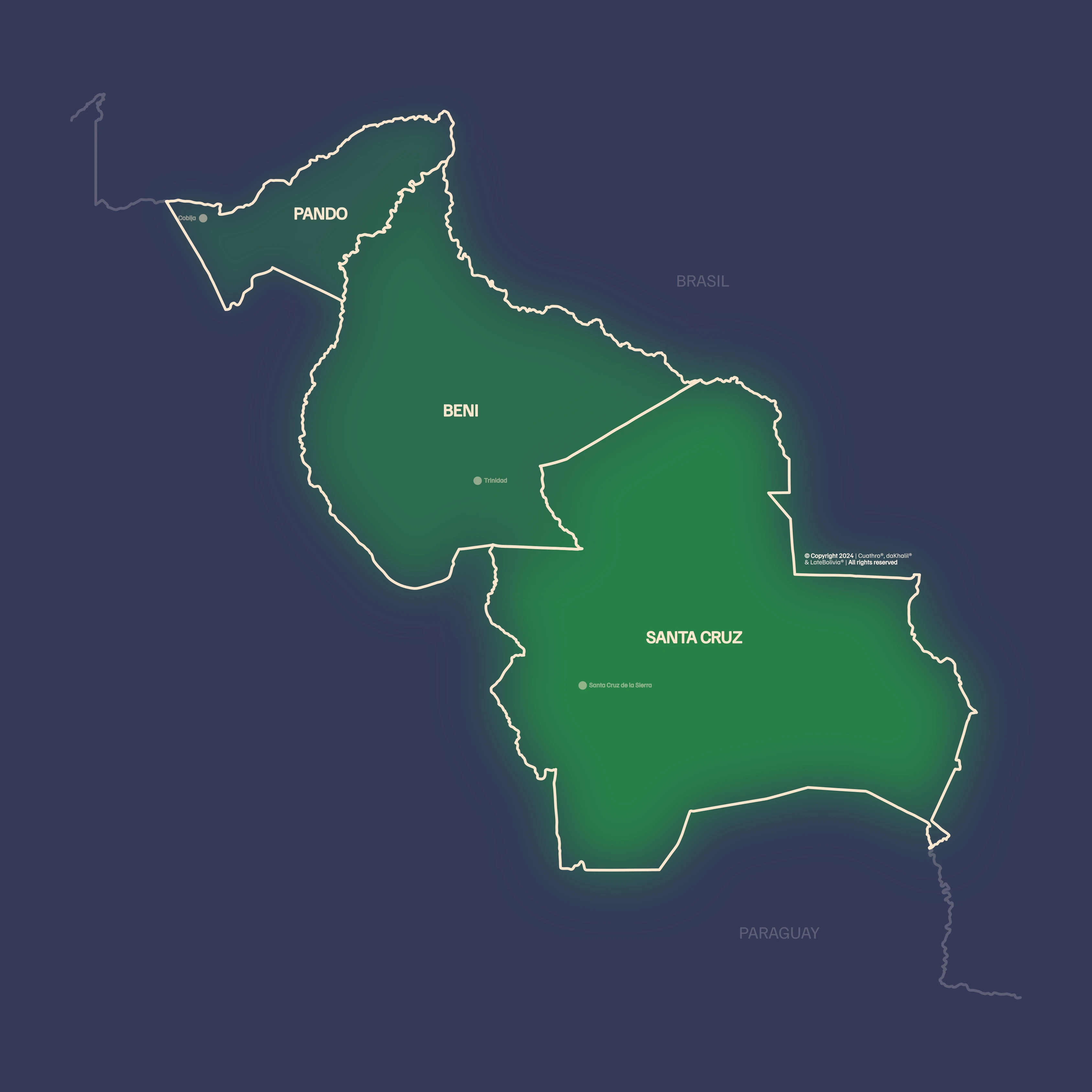
The eastern lowlands of Bolivia comprise a vast region extending across the departments of Santa Cruz, Beni, and Pando, forming a continuous stretch of about 1,200 km from west to east and occupying around 60% of the national territory.
Situated between 400 and 600 meters above sea level, the lowlands feature a warm, humid tropical climate, with average annual temperatures of 27°C and a pronounced rainy season (November–March), while the dry season (May–October) is relatively short. This combination of deep, fertile soil (containing alluvial deposits from the Amazon, Acre, and Beni rivers) and abundant water availability has made the lowlands the main agricultural and livestock engine of Bolivia, where soybeans, sugarcane, rice, cotton, and corn are grown, and extensive cattle and sheep farming is practiced.
The area harbors a rich biodiversity of tropical forests, savannas, and wetlands, supporting diverse fauna (jaguars, river dolphins, peccaries, and numerous bird species) and constituting an important ecological corridor between the Amazon basin and the Gran Chaco.
Together, the lowlands of Santa Cruz, Trinidad, and Cobija represent the economic and demographic axis of the Bolivian east, concentrating the majority of the country's population (over 3 million inhabitants) and serving as a gateway for international trade thanks to infrastructure such as the Viru Viru International Airport and the river ports of the Amazon basin.
Capital Cities
Trinidad
Trinidad is the capital of the Beni department; the city is located at 237 meters above sea level and has a humid, tropical climate. The city of Trinidad, the second reduction founded by the Society of Jesus in the lands of Moxos, is surrounded by rivers, pampas, and associated wetlands present throughout much of the Beni department. These ecosystems constitute the third-largest complex in South America and the largest in the Amazon basin, representing a unique and special ecoregion, historically and geographically peculiar, with landscapes dominated by interrupted wet savannas surrounded by a variety of forests and large swamps that hold water year-round, forming a broad mosaic of different vegetation types.
Trinidad is a communication node for land, air, and river transport, as from this city one can reach all towns in Beni via any of the mentioned routes.
In the Beni territory existed the Hydraulic Culture of the Lomas, with an estimated age of 4,000 years, based essentially on the construction of large hydraulic works that allowed connection between the main human nuclei and a fascinating technology for crop development in this area very prone to flooding.
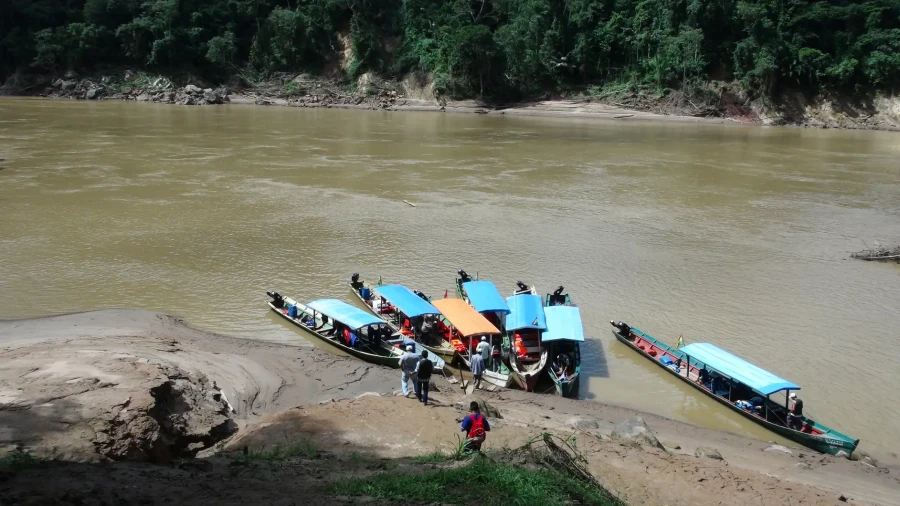
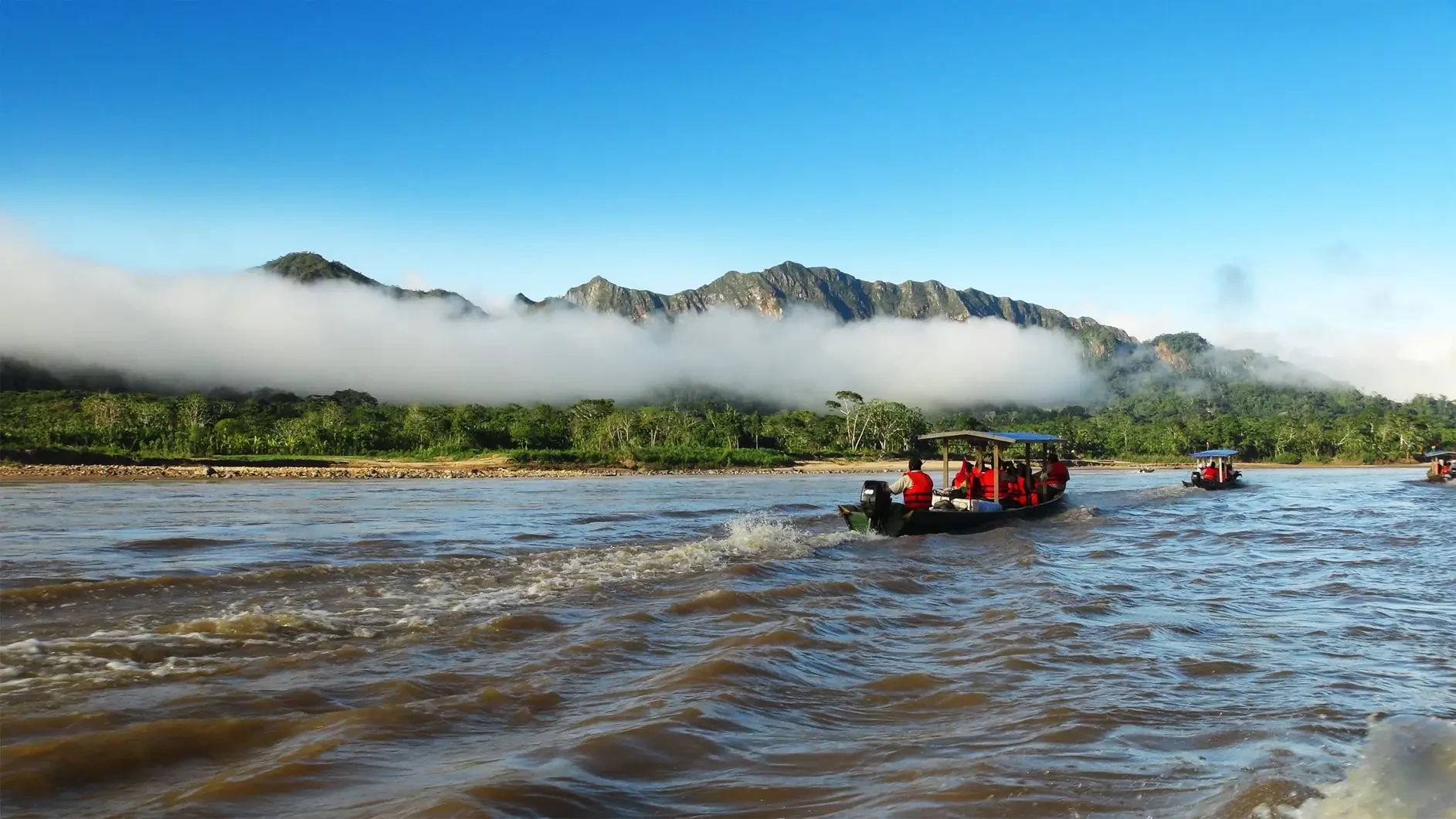
Near the city is the Ibare-Mamoré Municipal Protected Area, where the "Bufo Route" can be undertaken. This adventure begins at Puerto Ballivián, only 10 minutes from Trinidad; from this point, a motorboat ride takes you to the reservoir of the Mamoré River, where, after a spectacular journey observing herons, lizards, turtles, and much more Amazonian fauna, one can finally observe the "Inia boliviensis," the bufo or freshwater dolphin.
Tourist Attractions: Suárez Lagoon, Puerto Barador, Chuchini Sanctuary, Loma Sárez.
Santa Cruz de la Sierra
It is a city with a hot climate situated in the vast eastern lowlands, on the banks of the Piraí River, hosting the country's best international airport, Viru Viru, and located at an altitude of 416 meters above sea level. Its rapid economic development has transformed it into a strategic axis for Bolivia; however, the colonial character of the "Old Town" (Casco Viejo) and the youthfulness of its inhabitants have been maintained as the personality of the eastern city.
The city's active commercial life, especially in hydrocarbons, agro-industry, and construction, ensures that this city has the best hotel infrastructure in the country.
Every year in September, Expocruz is held, one of the largest industry and trade fairs in South America. The most important cultural event in Santa Cruz and one of the most important in Bolivia is the International Festival of American Renaissance and Baroque Music "Misiones de Chiquitos," which takes place biennially in its international version.
Samaipata, a town in the mesothermal valleys of Santa Cruz, has as its main attraction the so-called "Fuerte," an impressive rock carved with geometric and zoomorphic figures, considered the largest petroglyph in the world.
Buena Vista, a beautiful mission-origin town in the foothills of Amboró National Park, is characterized by the exceptional natural richness of its surroundings, suitable for wildlife observation, adventure tourism, and interaction with local communities.
The Coffee Plantations of Buena Vista are an initiative of agro-, ethno-, and ecotourism in an environment of high scenic, natural, and archaeological value, such as the buffer zone of the ANMI Amboró National Park. It features a private eco-lodge within the hacienda and another community one in the Candelaria community, as well as beautiful crafts in bamboo and Jipi Japa. Around it, a tourist circuit has been developed incorporating various local ventures.
Cobija
The capital of the Pando department is Cobija, founded in 1906 under the name Bahía, on the right bank of the Acre River.
North of the city is the Acre Barracks; to the west, a curtain of trees to admire the beauty of sunsets, dazzling and always different from one another. Its undulating topography is singular, and unlike other settlements located in the jungle, its streets have pronounced slopes. This natural drainage prevents Cobija from suffering floods. One can also enjoy sport fishing in the midst of a wild and savage nature.
Tripadvisor