





Travel Information for Copacabana and Isla del Sol
About Lake Titicaca
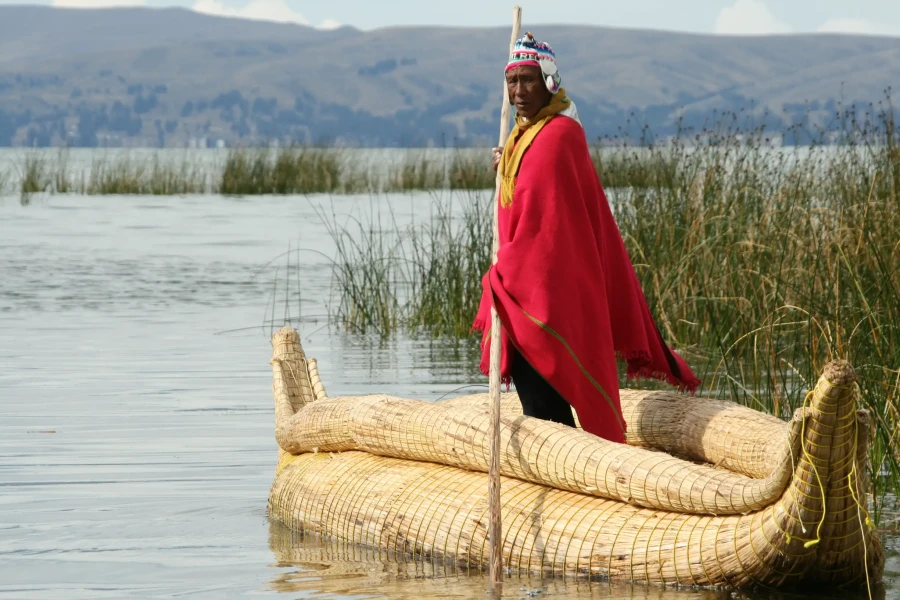
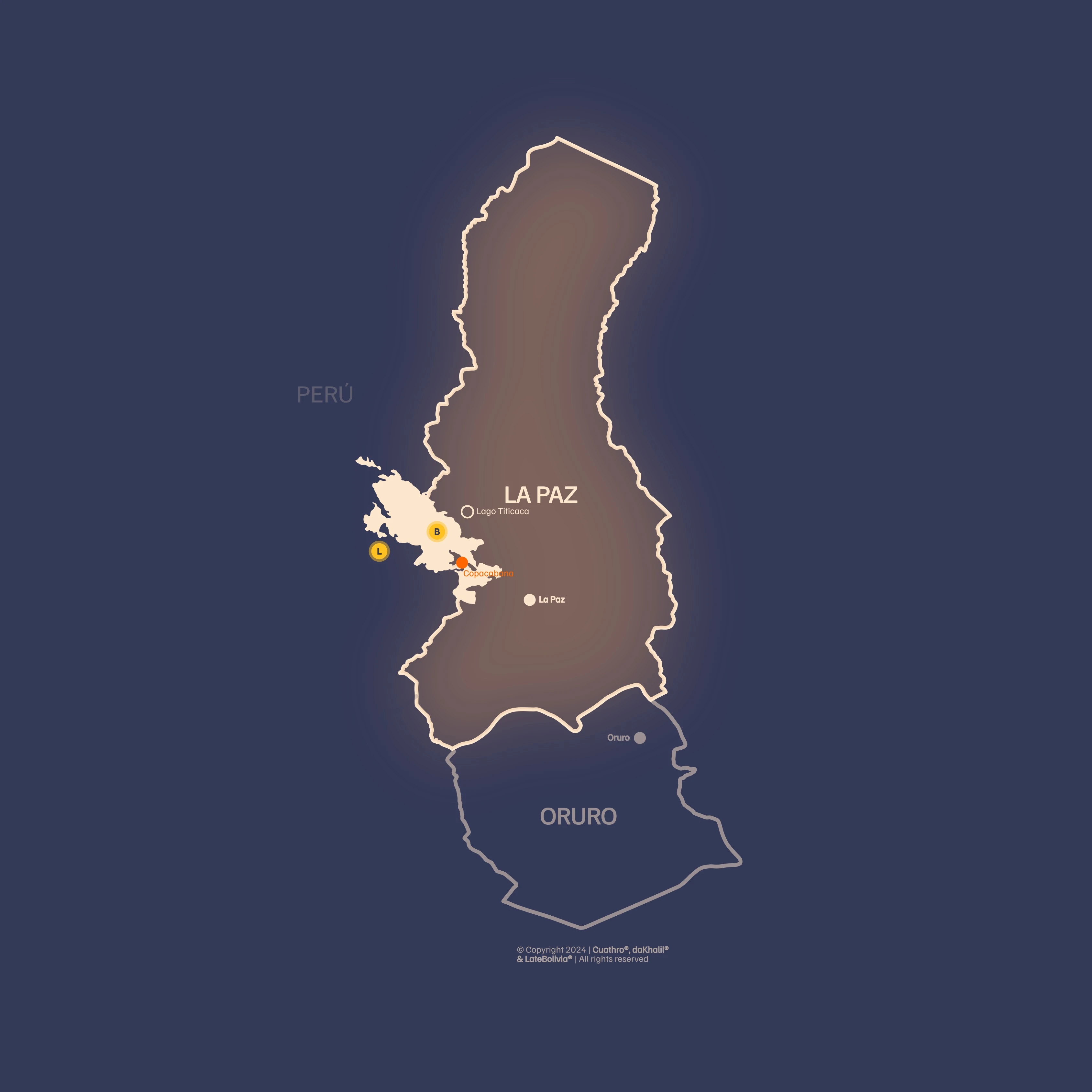
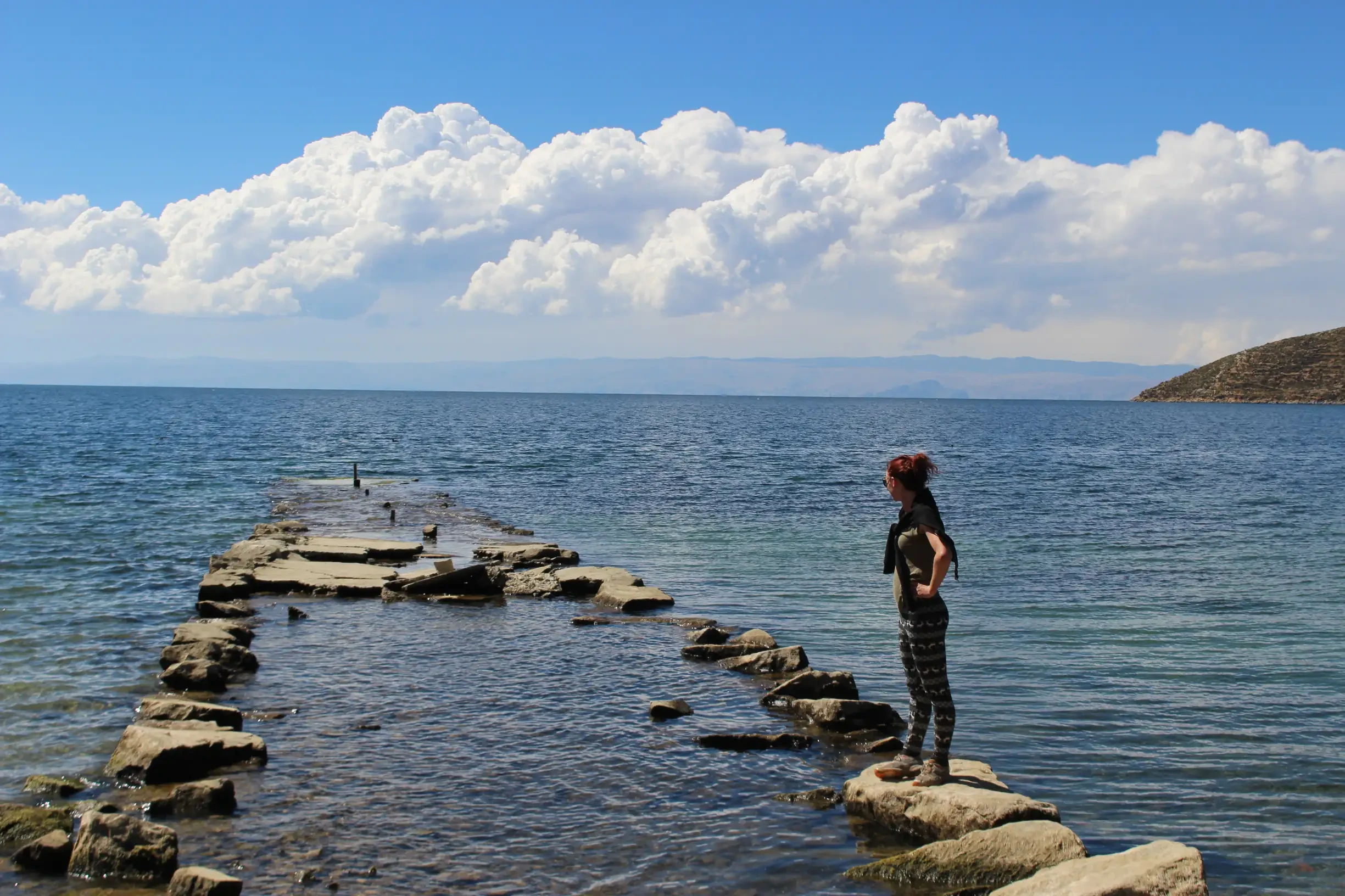
Lake Titicaca is located in the Andes mountain range, right on the border between Bolivia and Peru, at 3,800 m a.s.l., making it the highest navigable lake on the planet. It covers a surface area of 8,300 km² (the second largest lake in South America after Lake Maracaibo); 60 % of its waters belong to Peru and the remaining 40 % to Bolivia.
The distance between the city of La Paz and the lake by road is 72 km, equivalent to a 3‑ to 4‑hour journey to Copacabana, although it is possible to take some tourist trips in the town of Huatajata, on the Smaller Lake, closer to La Paz.
Lake Titicaca is home to Isla del Sol, the largest island and one of the main pre‑Inca and Inca archaeological sites, with agricultural terraces, temples, and the legendary “Temple of Pilcocaina.” From Isla del Sol it is possible to visit Isla de la Luna, also of great mythological relevance.
Near Copacabana lies the ancestral village of Sampaya, an ideal destination for cultural tourism. Its stone houses, pre‑Hispanic agricultural terraces, and Andean landscapes offer an authentic experience of history, tradition, and nature.
Tourist Attractions
Copacabana
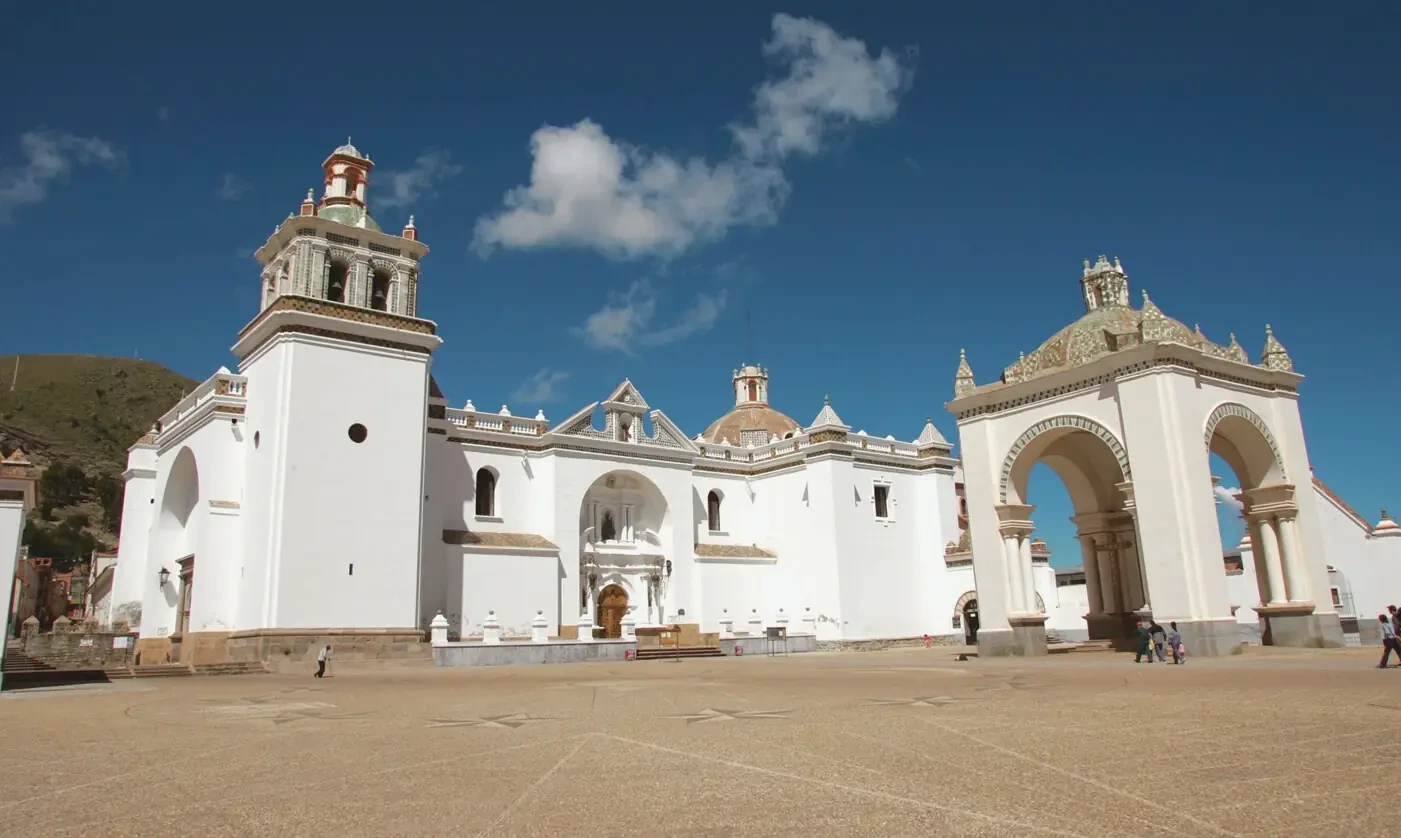
A town located on the shores of Lake Titicaca, capital of the Manco Kapac province in the La Paz department, currently has 6,000 inhabitants whose main activity is tourism, due to the cultural and religious importance of Lake Titicaca and the Sanctuary of the Virgin of Copacabana. In this town there are also museums and archaeological sites from the Inca period.
How do I get to Copacabana?
- Daily departure of tourist buses from the city of La Paz, crossing the Tiquina Strait on local boats.
- Daily departure of tourist buses from the city of Puno, crossing the Peru-Bolivia border at Kasani.
Sun Island
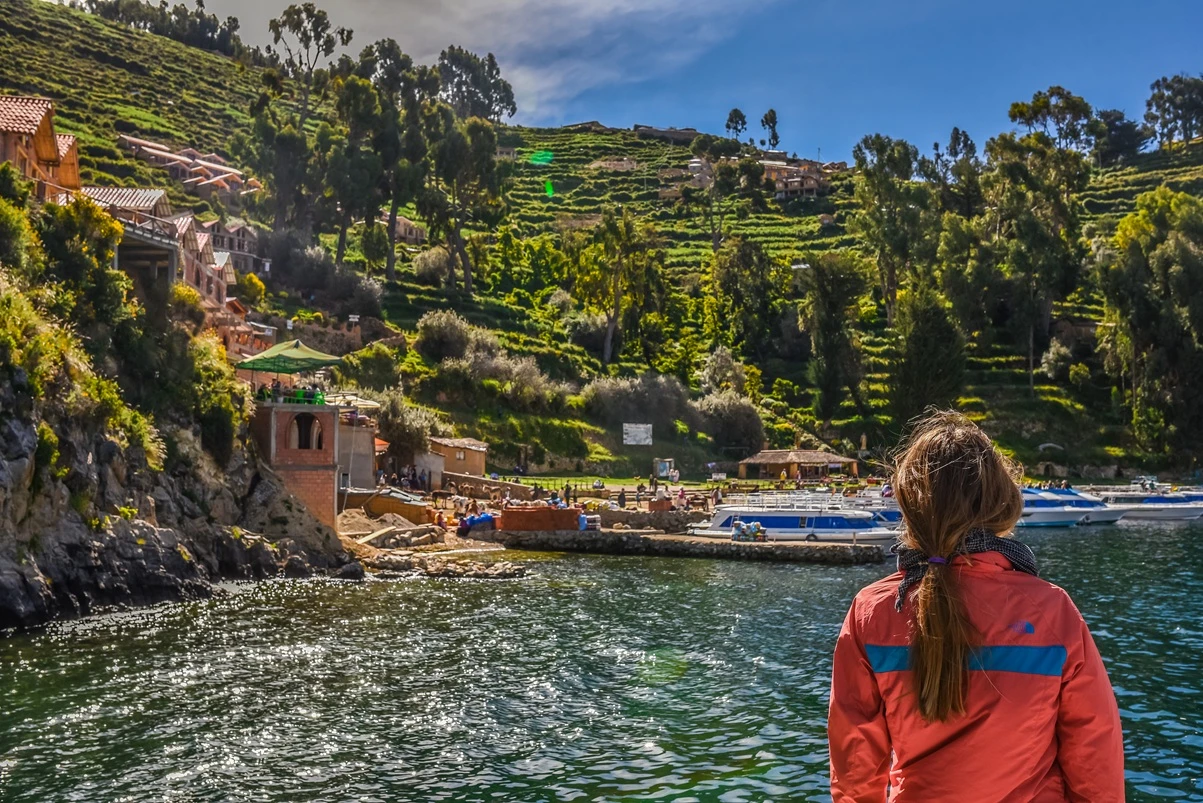
Sun Island is one of the most emblematic destinations for tourism in Bolivia, located on the majestic Lake Titicaca. Considered the cradle of Inca civilization, this island combines history, Andean landscapes, and unique hikes.
In the southern area lies Yumani, known for its stone stairways and the Fountain of the Inca, from where hikes depart toward natural viewpoints with panoramic views of the lake and the Royal Cordillera. Very close by is Pilcocaina, an ancient Inca palace that stands out for its stone architecture and its historical importance.
In the northern sector lies Chincana, an archaeological complex known as the Labyrinth, one of the most important sites on the island due to its ceremonial and mystical value. Walking its trails allows visitors to understand the Andean worldview and enjoy open landscapes over Lake Titicaca.
One of the best experiences is to complete the hike from north to south, or vice versa, crossing the island along ancient pre‑Hispanic paths. This hike offers spectacular views, contact with local communities, and a deep connection with nature.
Sun Island has local hotel infrastructure, highlighting the renowned Ecolodge La Estancia, which combines comfort, local architecture, privileged views, and sustainable environmental management. Visiting Sun Island is an essential experience of cultural tourism and nature in Bolivia.
Pariti Island
Pariti Island is located in the southern part of Lake Titicaca, known as Wiñaymarka or the Smaller Lake, belongs to the municipality of Puerto Pérez and is accessible via a 1-hour journey from the town of Huatajata.
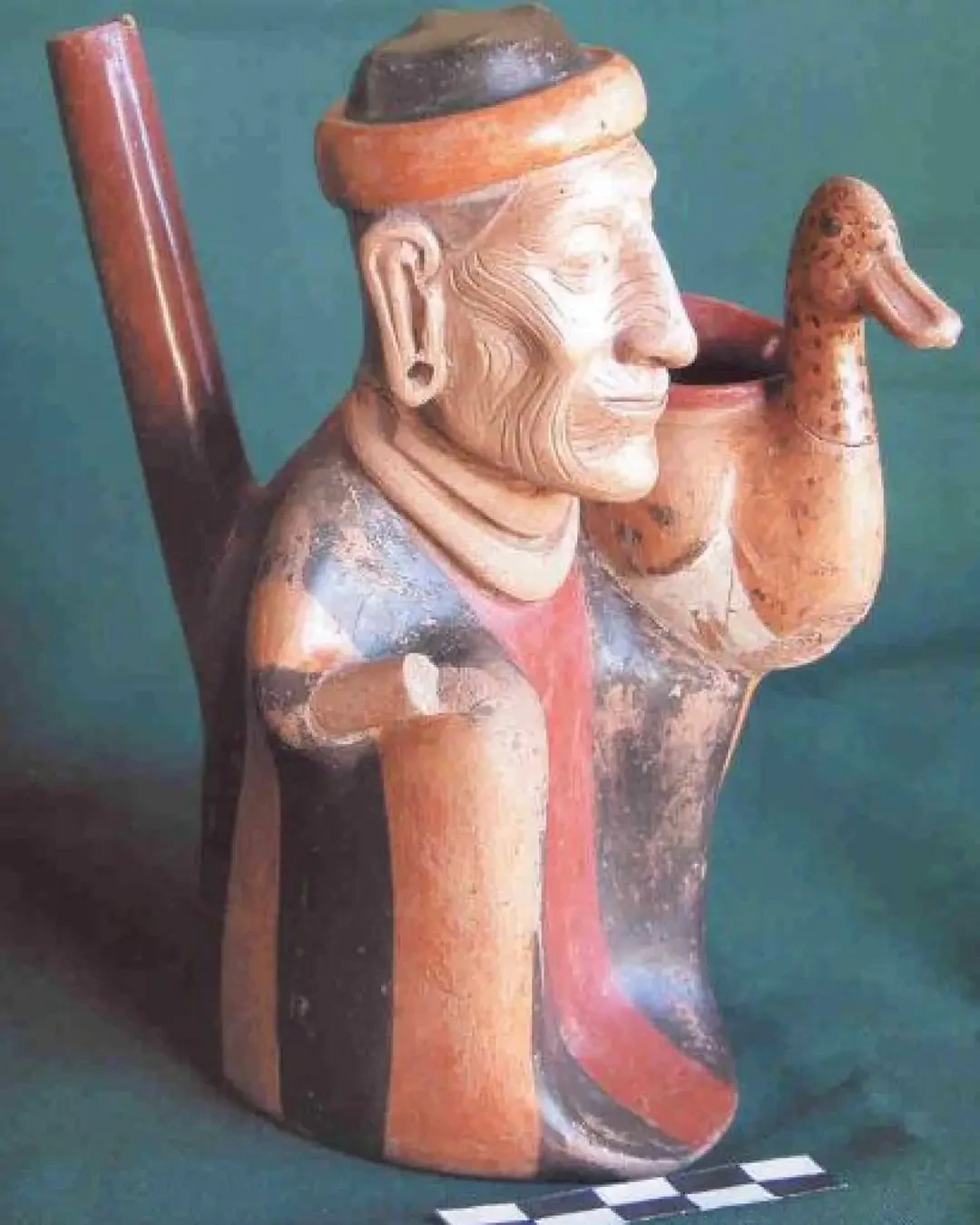
Pariti is famous for Tiwanaku archaeological finds resulting from excavations carried out between 2004 and 2006, where wells with ritual ceramics of the Tiwanaku culture were discovered. On the island itself is the Pariti Museum, which exhibits more than 300 recovered pieces, including the well-known figure of the "Lord of the Ducks," ceramics celebrated for their exceptional artistic and symbolic quality, as well as their complex iconography, fine polychromy, and excellent preservation.
Pariti also has an artisan workshop that produces objects made of totora and traditional ceramics. The combination of its location in the Andean Altiplano and its rich pre‑Columbian heritage makes Pariti a singular point of interest within the cultural ensemble of Lake Titicaca.
Tripadvisor