






Information about Tarija, Camargo and Villa Abecia
About Bolivia's Wine Region
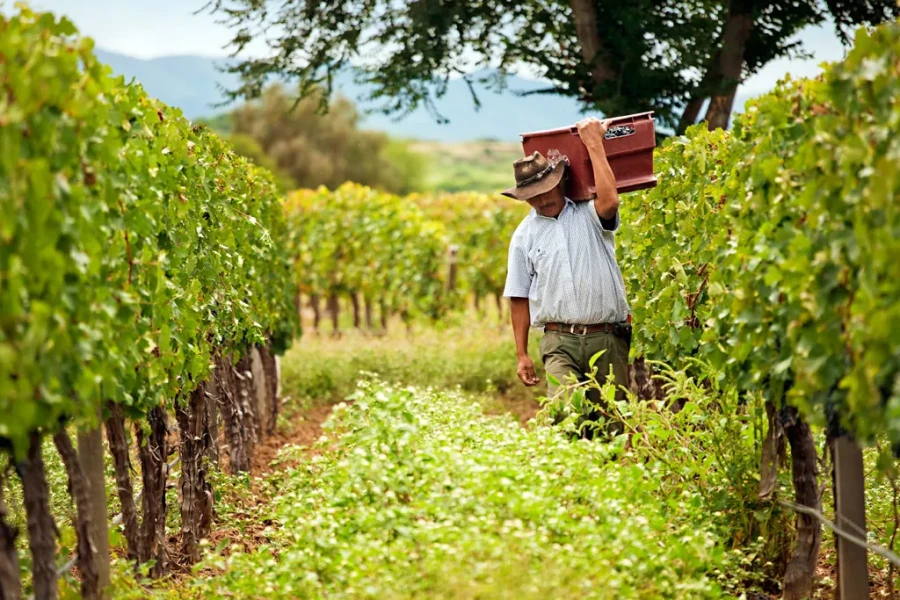
Bolivia's wine region is one of South America's best-kept secrets. With a tradition dating back to the colonial era, when the first grapevines were introduced by the Spanish, the country has developed its own identity in high-altitude wine production. The regions of Tarija and the Valle de Cinti are the main references of this wine culture, with vineyards located between 1,600 and over 2,400 meters above sea level. The altitude, intense solar radiation, and thermal amplitude contribute concentration, freshness, and distinctive character to their wines.
Tarija is considered the heart of national production, with modern and traditional wineries producing varietals such as Tannat, Cabernet Sauvignon, and Torrontés, in addition to the emblematic singani. Its vineyards integrate into landscapes of fertile valleys and temperate climate, offering tasting experiences and wine tourism.
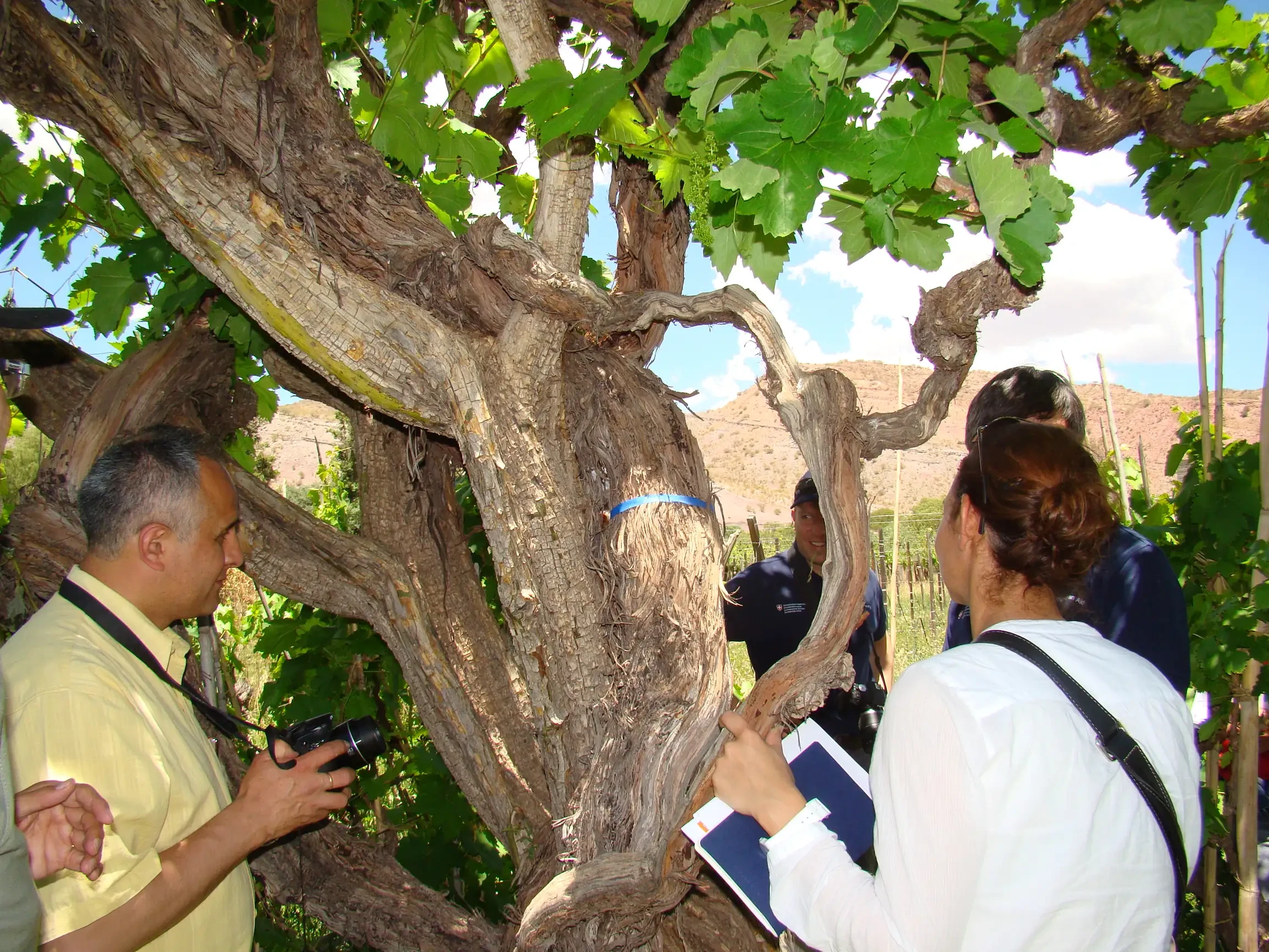
In the Valle de Cinti, especially in the towns of Camargo and Villa Abecia, a more artisanal tradition is preserved, with ancient vines and heritage varieties such as Vischoqueña. Their family wineries maintain historical production methods, combining history, culture, and landscape in an authentic experience.
Tourist Destinations
Tarija and its Surroundings
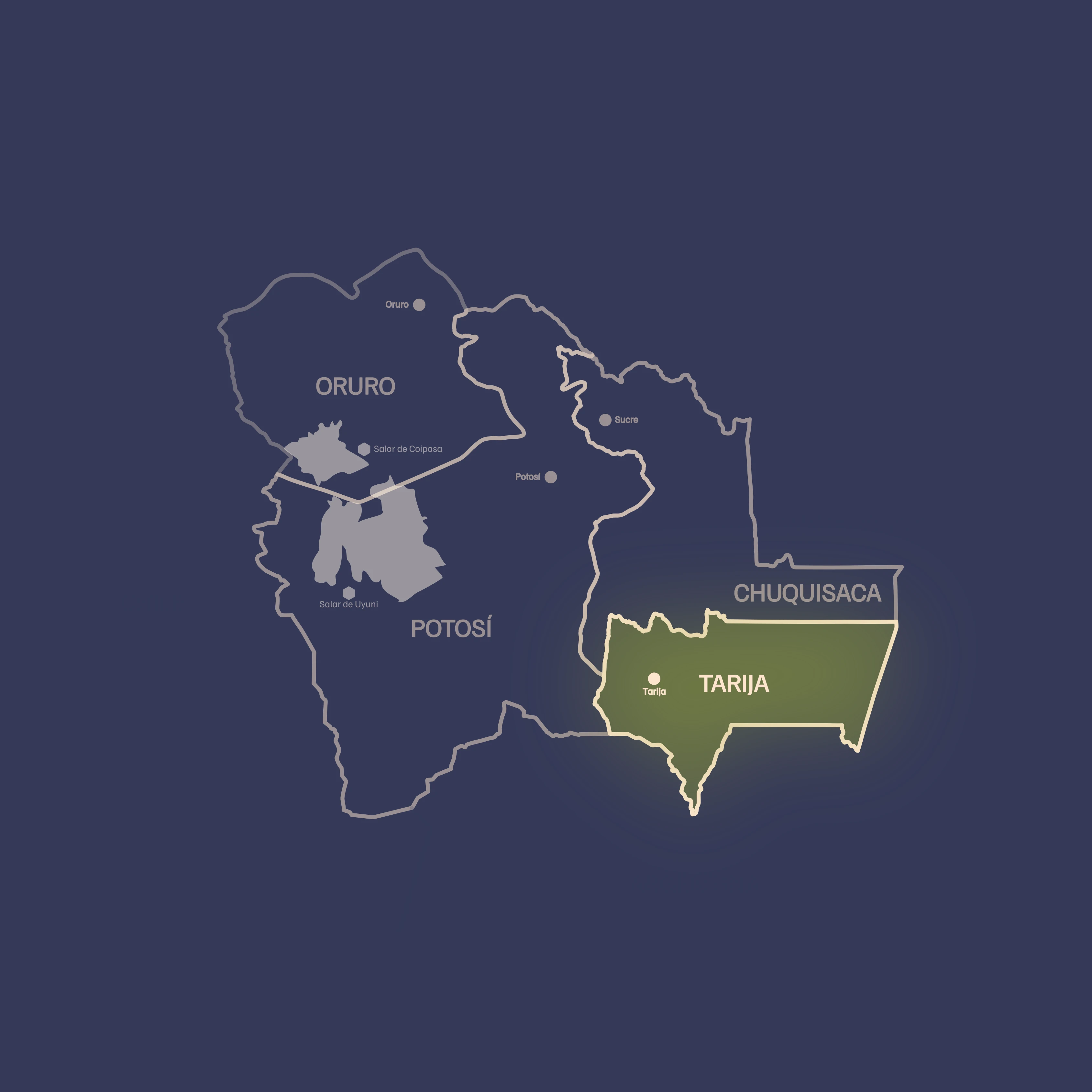
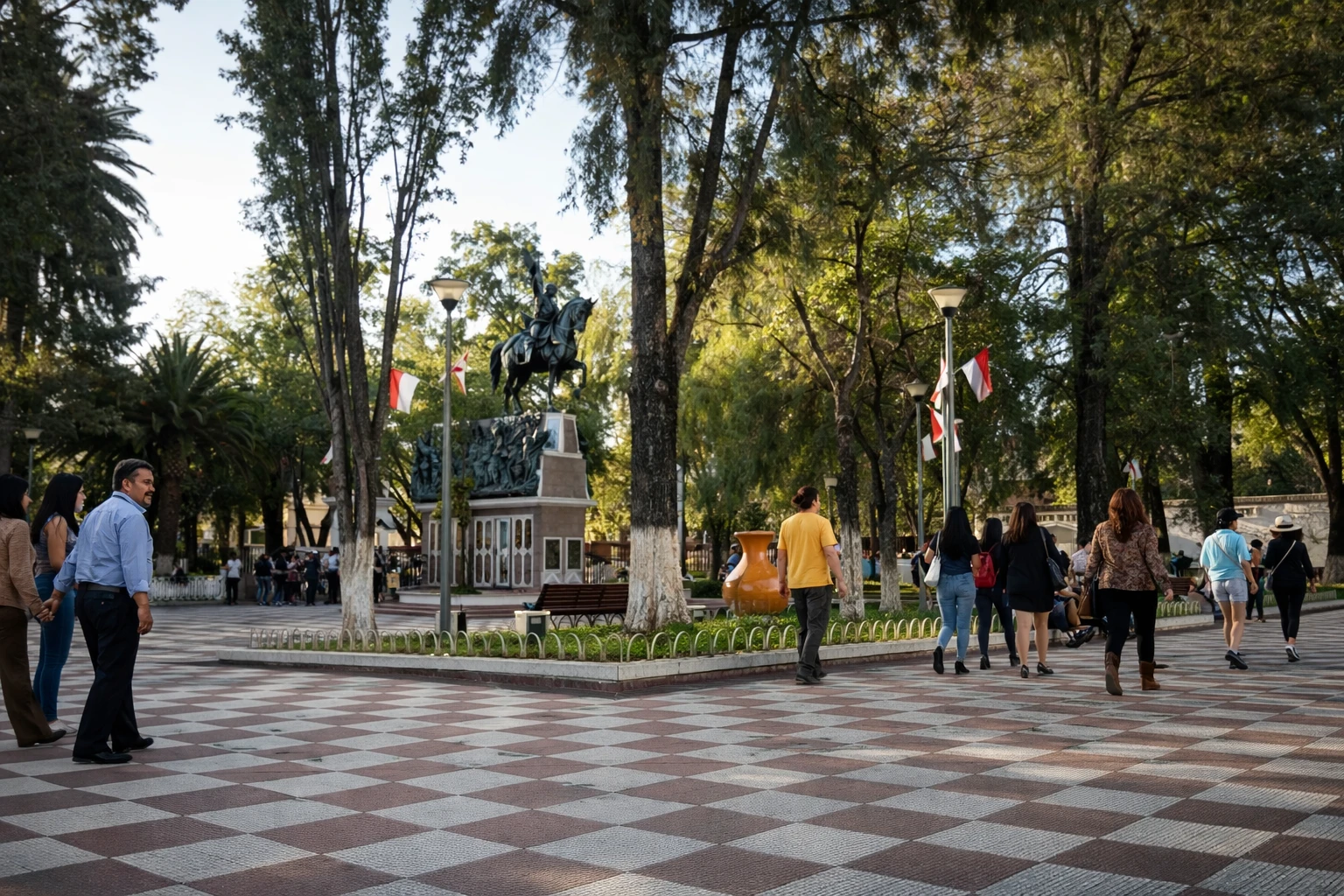
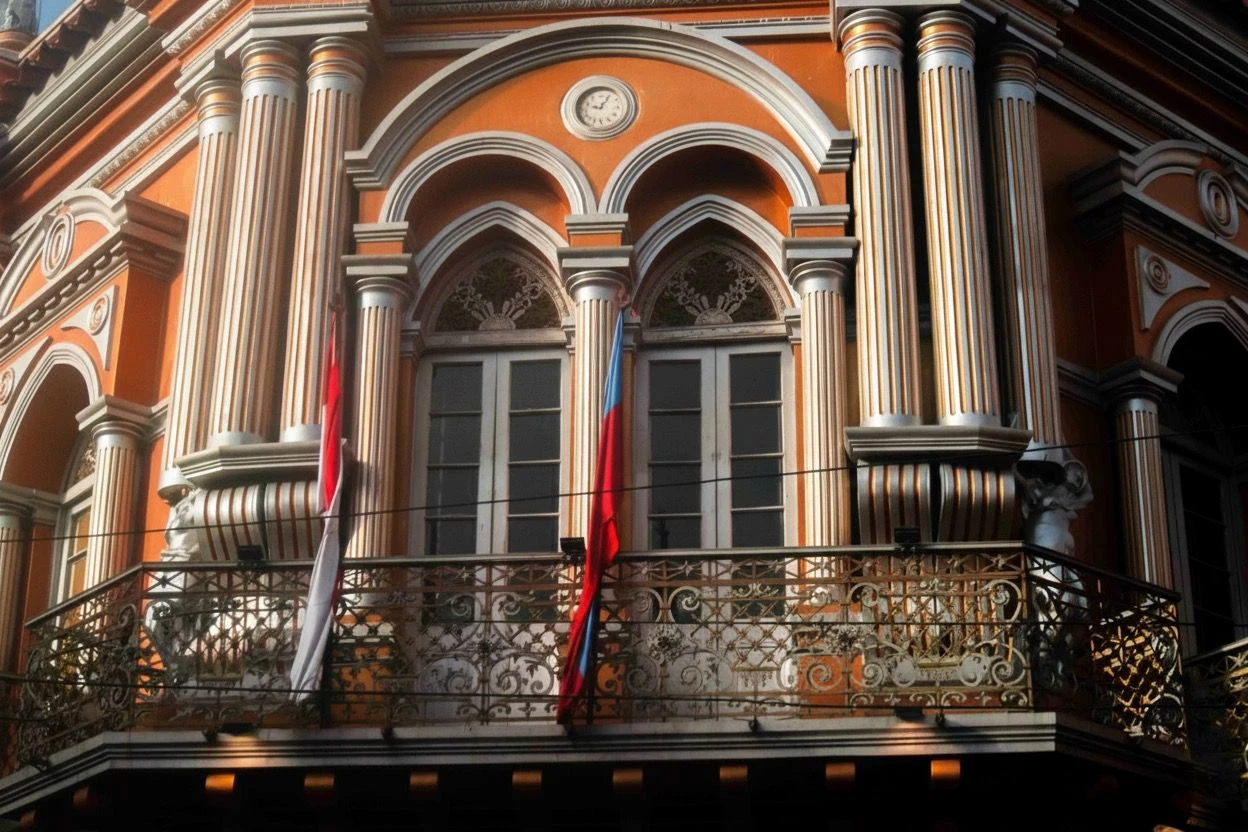
Located at the southern tip of the country, the department of Tarija combines a centuries-old history, mountain and valley landscapes, and a culture that vibrates to the rhythm of wine and folk music. The city of Tarija, founded in 1574 as "San Bernardo de la Frontera de Tarija," is located at 1,850 m above sea level and is known as the "Bolivian Andalusia" due to the strong Hispanic influence reflected in its architecture, festivals, and temperate-subtropical climate.
The famous Wine and Singani Route develops in the surroundings of the city, in the Valle de Concepción (Uriondo), the Valle de Santa Ana, and others where industrial and artisanal wineries have been installed.
The climate of the area is semi-arid with warm and humid summers and dry and cool winters; the average annual temperature ranges between 13.8 °C (July) and 21.5 °C (December), with minimums rarely dropping below 5 °C and maximums rarely exceeding 30 °C. These conditions favor wine production: the region's vineyards, driven by well-drained soils and abundant solar radiation, produce some of the best wines in Bolivia, especially high-quality reds and rosés.
Among the natural attractions stand out the San Jacinto reservoir, a few kilometers to the south, which offers water activities, and the Chorros de Jurina waterfalls, located northwest of the city, where water falls in a series of cascades surrounded by subtropical vegetation.
Tarija also functions as a tourist link: to the north one can access the Valle de Cinti (Camargo and Villa Abecia), Potosí and Sucre; to the east one accesses the Paraguayan Gran Chaco via Yacuiba, to the south it connects with Argentina (Bermejo, Villazón) and to the west opens the route to Tupiza and the Salar de Uyuni.
The Wine and Singani Route
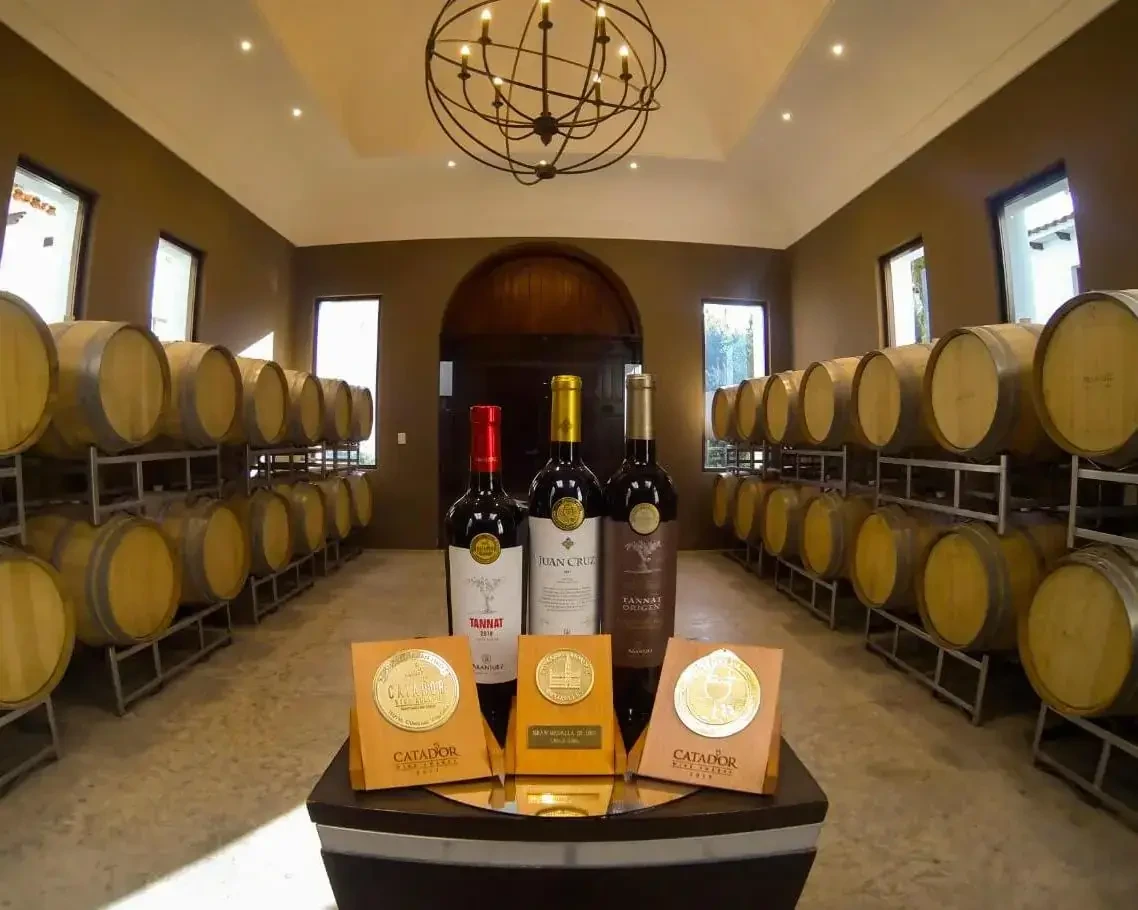
Tarija is known as the land of vineyards, and its Wine and Singani Route is one of the greatest tourist attractions. This tour invites visitors to explore both artisanal and industrial wineries, where they can taste high-altitude wines and singani, the emblematic distilled spirit of Bolivia.
➔ Wineries
-
Aranjuez Winery: Famous for its Tannat wine, this winery combines tradition and innovation to produce internationally award-winning wines.
-
Campos de Solana: Recognized for its excellence in producing high-quality wines, it offers guided tastings and tours of its facilities.
-
Casa Vieja: An artisanal winery that preserves traditional wine-making methods, offering an authentic and welcoming experience.
➔ Wine Experiences
-
Visitors have the opportunity to participate in wine tastings, tour vineyards, and learn about the production process of beverages from grapes grown at over 1,800 meters above sea level.
-
Additionally, many wineries offer pairings with local products such as cheeses, cured meats, and traditional sweets.
Sama Biological Reserve
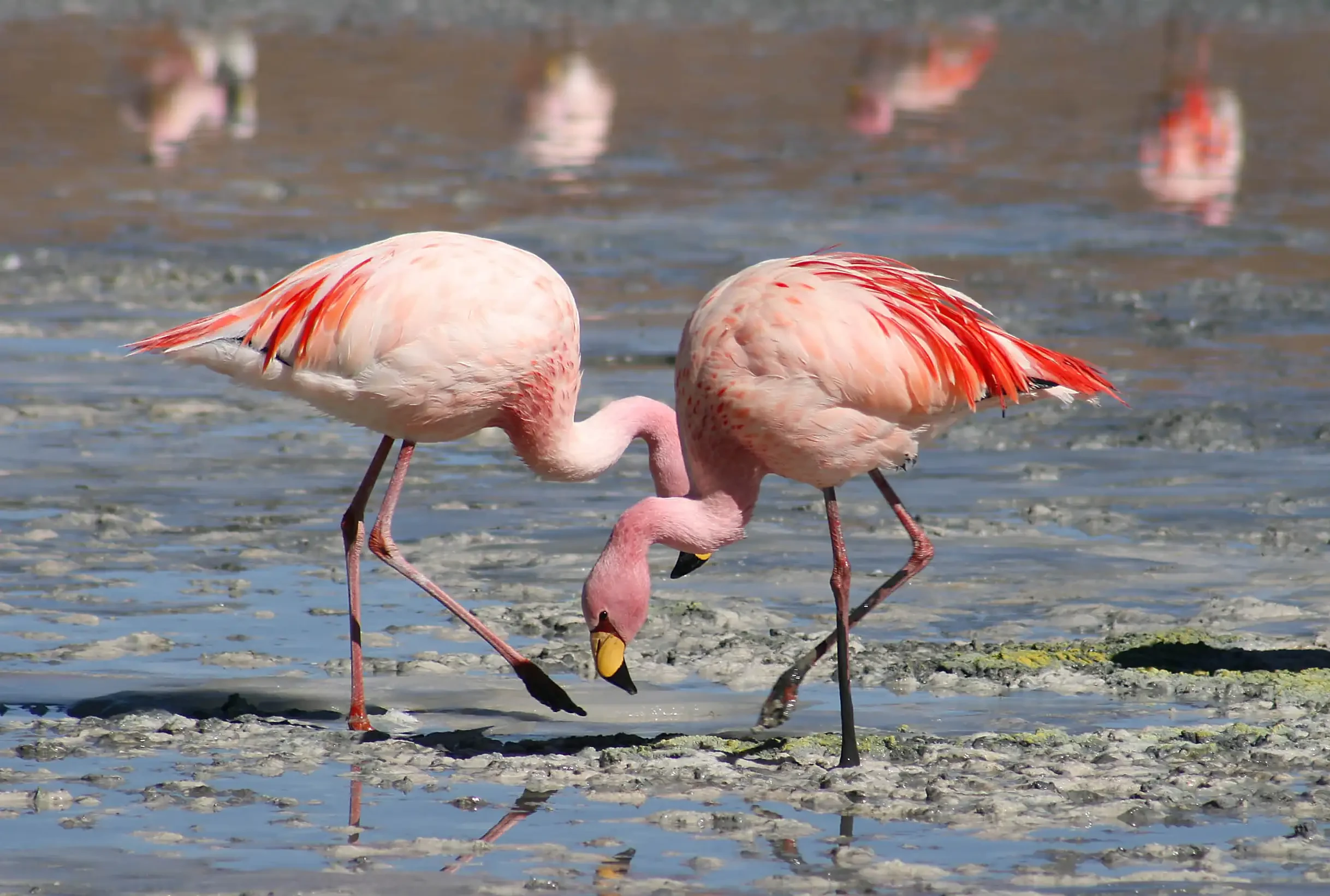
The Sama Mountain Range Biological Reserve is a privileged destination for nature lovers and mountain tourism. It protects valuable Andean ecosystems and houses high-altitude lagoons such as Tajzara, habitat of high-altitude flamingos and numerous migratory birds. Its trails allow scenic hikes with panoramic views of the mountain range, crossing wetlands and landscapes of great beauty. The combination of biodiversity, tranquility, and proximity to Tarija makes Sama an ideal attraction for ecotourism and nature photography.
Festivities and Culture
Tarija is also known for its festivities filled with food, music, and dance, such as the Vendimia Chapaca, celebrated in March, where homage is paid to the grape harvest. During this event, parades, wine competitions, and cultural activities are organized that reflect the festive spirit of the region.
The Fiesta Grande de San Roque is one of the most important religious celebrations in Tarija and takes place between August and September in honor of Saint Roch. Highlights include processions and the traditional dance of the chunchos, vow-makers who travel through the city with characteristic clothing, music, and profound devotion, reaffirming the cultural and religious identity of the region.
Valle de Cinti
The Valle de Cinti is the historical heart of Bolivian viticulture and the birthplace of authentic Singani, a grape distillate made from Moscatel de Alejandría grapes whose name comes from the community of Sivingani (San Lucas), in the Nor Cinti province (Chuquisaca). Its origins date back to the 16th century, when it began to be distilled in traditional "konchanas," ancestral technology still in use today. During the colonial period, singani was highly appreciated in Potosí and has since been an essential part of the cultural identity of southern Bolivia.
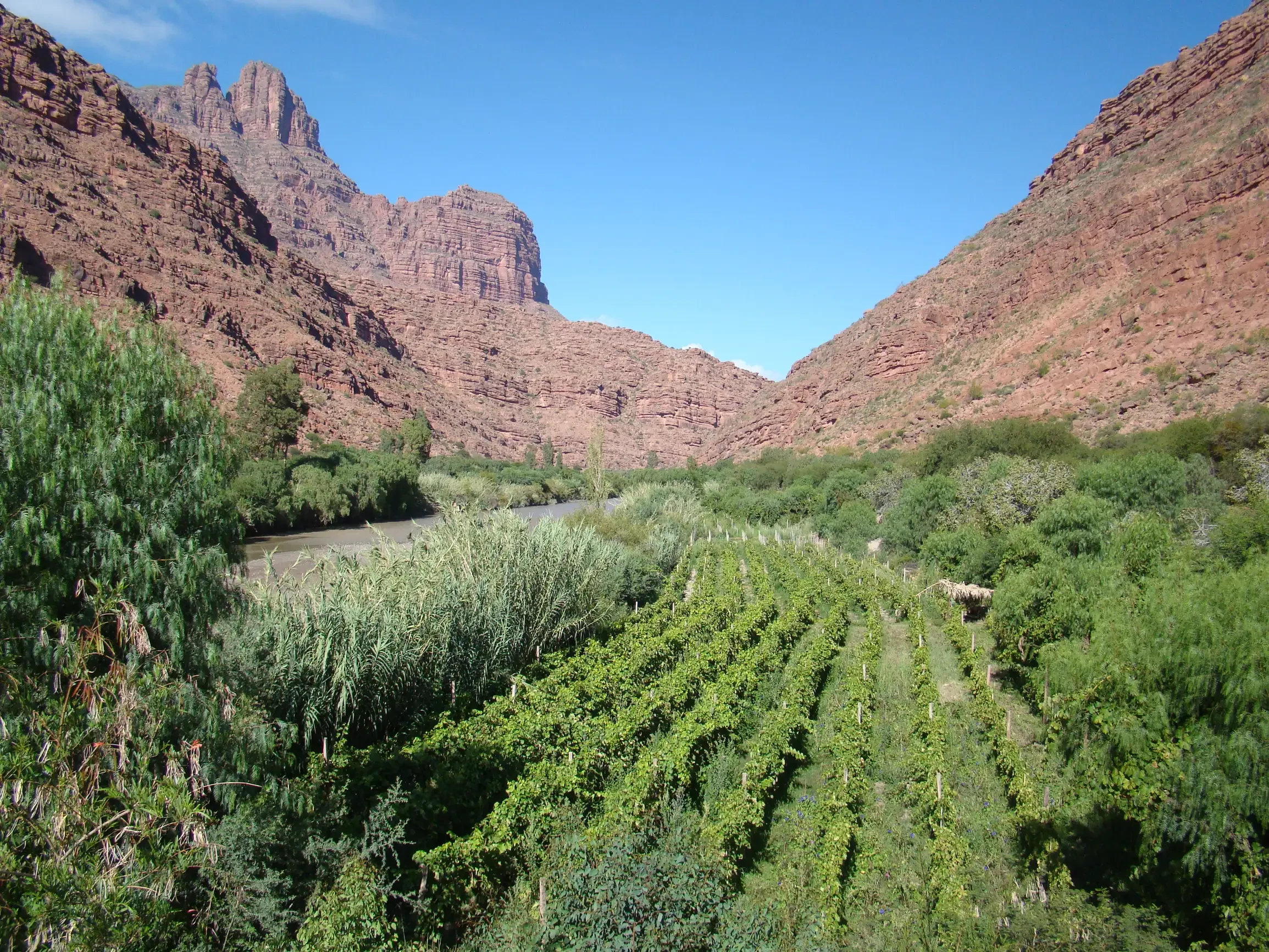
Located between 2,220 and 2,550 meters above sea level, Cinti stands out for its high-altitude vineyards, some over 100 years old, cultivated under the singular traditional system of "mollar" or "chañar." Here historical varieties are produced such as Moscatel de Alejandría, Vischoqueña, Misionera, and Rosada. Its colonial wineries, many from the 16th and 17th centuries, preserve original architecture and offer authentic wine tourism experiences, combining history, landscape, and tradition.
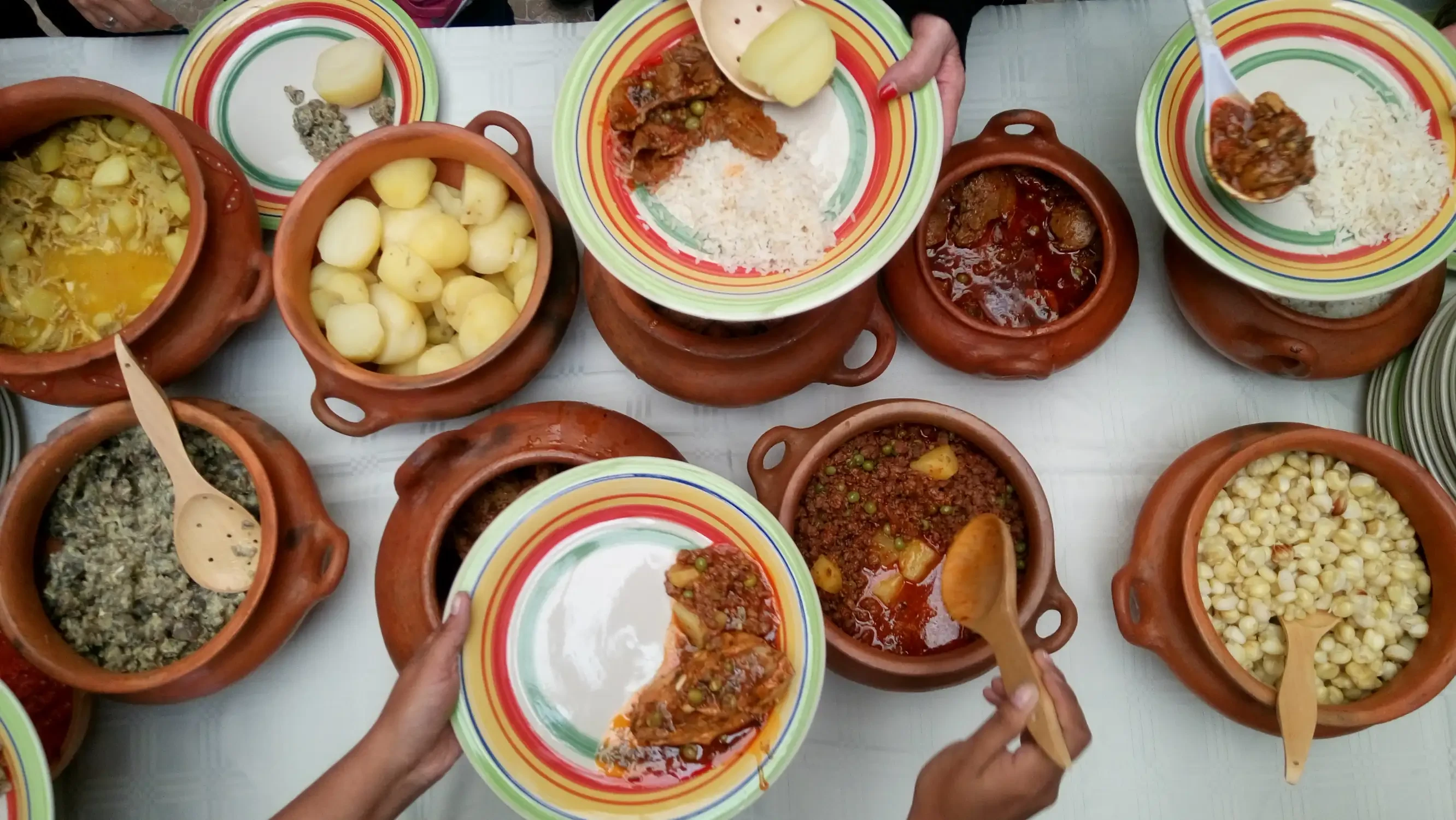
The Wine and Singani Route in the Valle de Cinti also integrates archaeological heritage such as Inca pre-Hispanic paths, the Valley of the Petroglyphs, and the Salamanca Cave. This is added to a unique regional gastronomy: pork roast, spicy tripe, traditional empanadas, artisanal sweets, and typical liquors. Visiting the Valle de Cinti means discovering high-altitude wine, living culture, and extraordinary landscapes in Bolivia.
More about Valle de Cinti: Camargo, Villa Abecia and Carreras
The Valle de Cinti, located in the south of the Chuquisaca department, is one of the most authentic destinations for wine tourism in Bolivia. Its territory encompasses the municipalities of Camargo, Villa Abecia, and Las Carreras, in an environment of dry temperate climate with an average temperature of 20 °C, ideal for touring vineyards and wineries year-round.
The region is connected via National Highway No. 1, "Route of the Liberators," with paved access from Tarija (170 km), Potosí (175 km), and Sucre (346 km). It also has proximity to the airports of Tarija and Potosí, in addition to telecommunications, internet, and medical services in Camargo, which has a second-level hospital and Tourist Police.
The Valle de Cinti is recognized as the place of origin of Singani, Bolivia's emblematic distillate, produced artisanally from Moscatel de Alejandría grapes. In Camargo is the traditional Casa Solariega, producer of the renowned Singani San Pedro, a quality reference and viticultural heritage. The Singani Route offers tours through the country's highest vineyards, visits to colonial wineries, and tasting experiences of high-altitude wines and singanis. The traditional cultivation system "El Mollar" stands out, unique in the world, which preserves ancestral practices of more than four centuries.
Its wine-growing landscape, considered a living museum, combines history, culture, and tradition, positioning the Valle de Cinti as an essential destination for those seeking wine tourism, heritage, and authentic experiences in Bolivia.
Tripadvisor